Accommodation on Safari in Tanzania
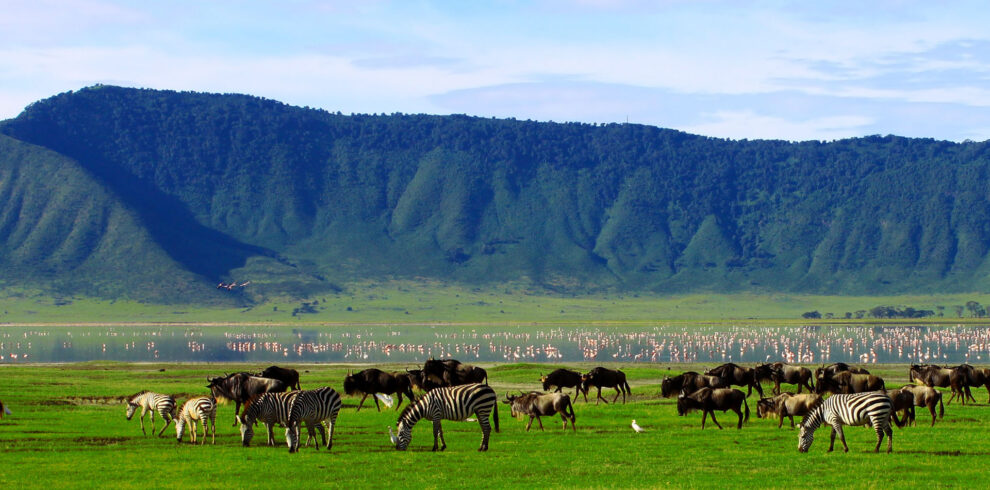
When you embark on a safari in Tanzania, your accommodation is more than just a place to sleep—it becomes a core part of the experience. Whether you are tracking the Great Migration in the Serengeti, exploring the dramatic landscapes of the Ngorongoro Crater, or navigating the remote wilderness of Ruaha or Nyerere National Park, the type of lodging you choose shapes your adventure. Tanzania offers an impressive range of safari accommodations, each tailored to different travel styles and budgets while being deeply intertwined with the country’s tourism-driven economy.
The Backbone of Safari Tour
Safari accommodation in Tanzania is not just about luxury—it’s a crucial pillar of the tourism industry. These lodges and camps support local employment, community development, conservation programs, and sustainable tourism. Most safari accommodations are built with a minimal footprint, blending naturally with their environments and following eco-tourism principles. From the Maasai communities guiding cultural experiences to chefs preparing locally-sourced cuisine, thousands of Tanzanians are directly employed by the safari accommodation sector, making it one of the most vital economic contributors in the country’s tourism system.
Categories of Safari Accommodation
Luxury Lodges and Tented Camps
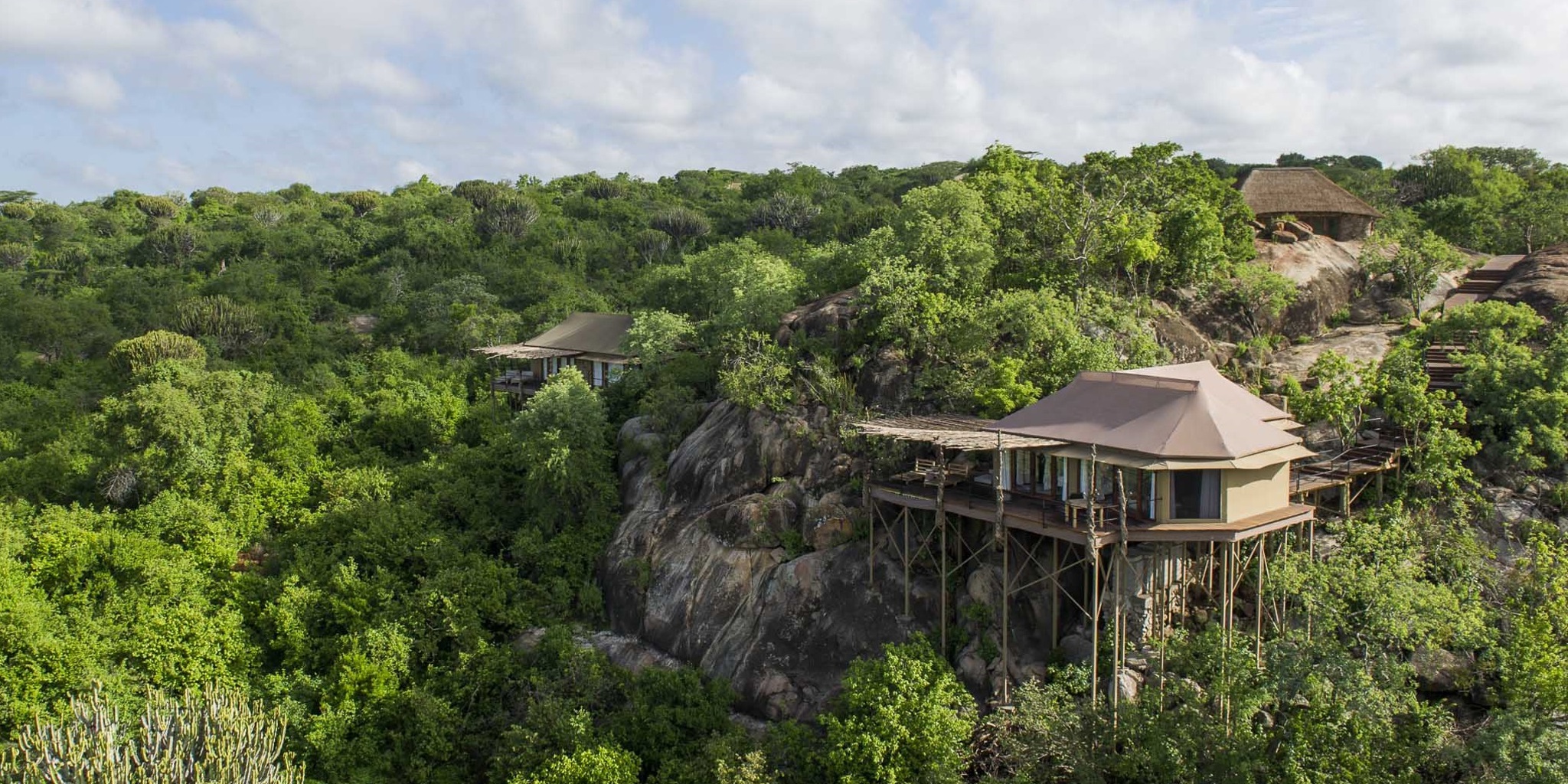
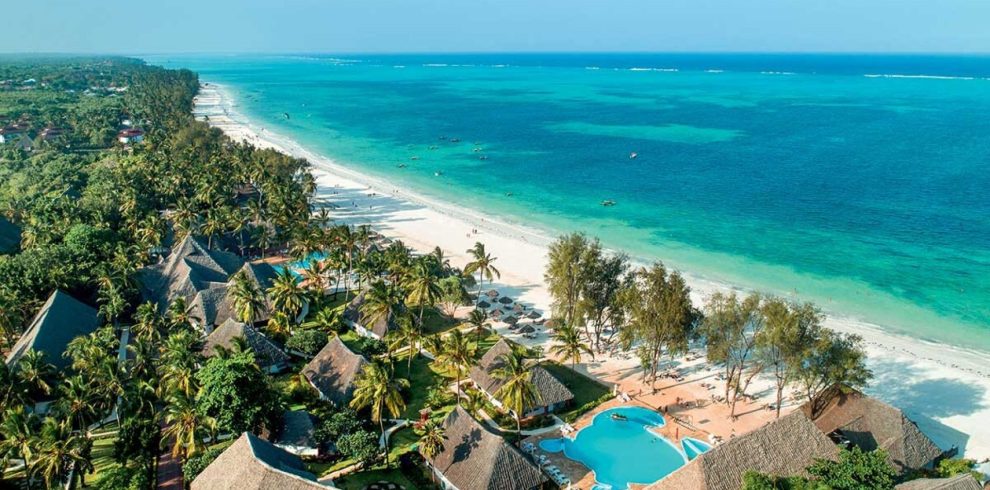
These properties provide the highest levels of service, comfort, and exclusivity. Found in prime wildlife areas like the Serengeti, Tarangire, or the Crater rim, luxury camps and lodges such as &Beyond, Singita, and Elewana Collection offer private plunge pools, gourmet meals, spa treatments, and personalized game drives. Often unfenced, these accommodations offer a raw yet elegant immersion in nature, where wildlife roams freely and the sounds of the wild lull you to sleep. Many are solar-powered and work closely with local communities to maintain both luxury and responsibility.
Mid-Range Safari Camps and Lodges
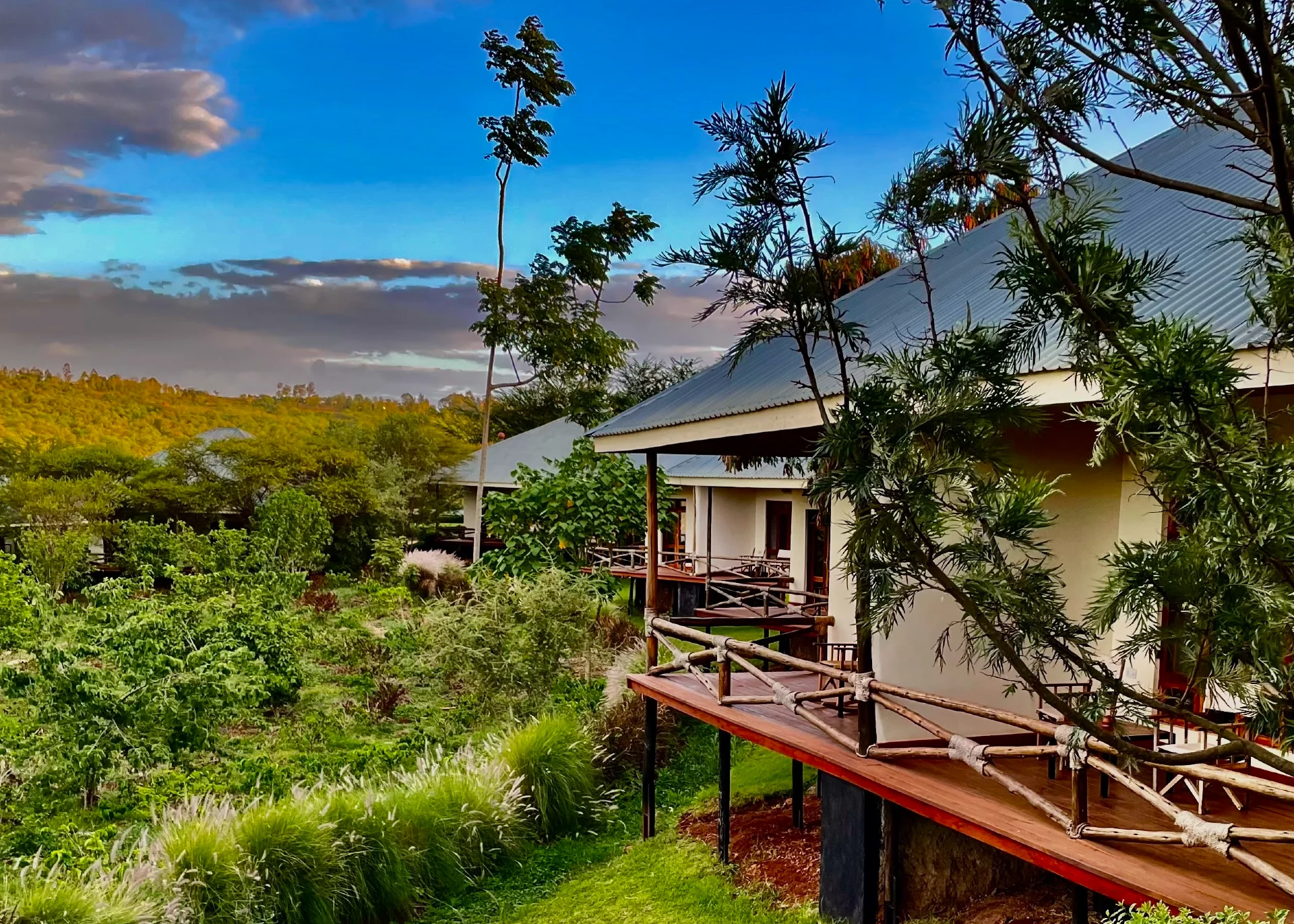
This category is ideal for travelers seeking a balance between comfort and authenticity. These lodges often feature en-suite bathrooms, open-air dining, and spacious rooms or tents with excellent views. Operators like Serena Hotels or Asilia Africa offer a rich safari experience without an overly extravagant price tag. These accommodations cater to both small group tours and private safaris, making them accessible yet memorable. Their contribution to the local economy remains significant through employment, sourcing supplies, and offering community-based tourism initiatives.
Budget Campsites and Adventure Lodges
For backpackers and adventurous travelers, budget accommodations offer simple but immersive experiences. In places like Mto wa Mbu, Lake Manyara, or near the Serengeti gates, budget-friendly options include public campsites, small family-run lodges, or mobile camping experiences. Guests sleep in tents or basic rooms with shared facilities but get the same access to the incredible wildlife Tanzania is famous for. These setups often use local guides, cooks, and porters—creating grassroots support for the surrounding communities and spreading tourism revenue more evenly.
Mobile Camps: Chasing the Great Migration
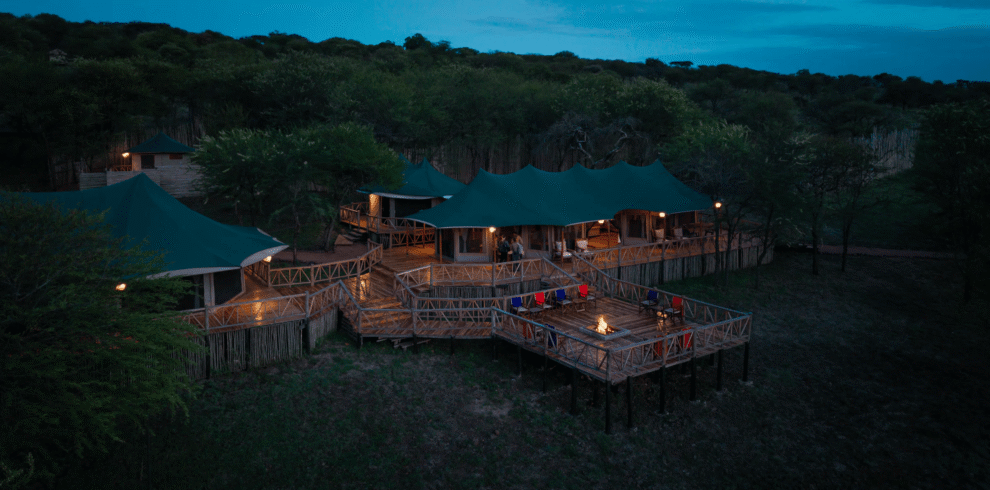
One of the most unique accommodation styles in Tanzania is the mobile tented camp that follows the Great Wildebeest Migration through the Serengeti. These camps shift locations seasonally to remain close to the herds. Though mobile, they offer surprisingly high levels of comfort: proper beds, hot showers, hearty meals, and even Wi-Fi in some cases. For many, this is the most authentic way to experience the bush—under canvas, surrounded by the sights and sounds of nature, with nothing separating you from the wild but a thin layer of canvas and a Maasai warrior keeping watch outside.
Conservation and Sustainability
Most safari lodges in Tanzania are deeply committed to conservation. Their presence in the parks helps fund anti-poaching patrols, wildlife monitoring, and habitat restoration. Many are constructed using natural materials, use solar power, recycle greywater, and ban single-use plastics. Additionally, a portion of profits often goes directly to support local schools, health clinics, and women’s cooperatives. As tourism in Tanzania grows, so does the importance of eco-conscious accommodation in safeguarding the future of both wildlife and local communities.
Final Thoughts
Choosing your safari accommodation in Tanzania is not just about price or comfort—it’s about choosing your adventure, your level of immersion, and your contribution to a system that supports wildlife conservation and community development. From luxurious lodges perched on cliffs to remote bush camps under starry skies, Tanzania’s safari accommodations are as diverse and captivating as the landscapes they inhabit. Each night spent in the wild is a night supporting the future of one of Africa’s most cherished safari destinations.