When to Travel to Tanzania for Safari
Tanzania’s safari experience is defined by the natural rhythm of its landscapes and wildlife. Unlike destinations with rigid travel windows, Tanzania offers something remarkable in every season—but what you see, how you move, and what kind of atmosphere you encounter will vary dramatically depending on when you go. Knowing how each season works allows you to time your safari with precision, whether you’re chasing the Great Migration, seeking predator action, or prioritizing solitude and value.
Tanzania’s Seasonal Cycle
Tanzania’s year is divided into two primary seasons: the dry season (June to October) and the wet season (November to May). The dry season is further known for its crisp, clear skies and high wildlife visibility, while the wet season, split into short rains (November–December) and long rains (March–May), brings lush scenery, fewer tourists, and unique events like the wildebeest calving season. Each of these periods influences how animals behave, where they move, and how easy they are to observe.
Dry Season:
June to October – The Ultimate Time for Big Game Safaris
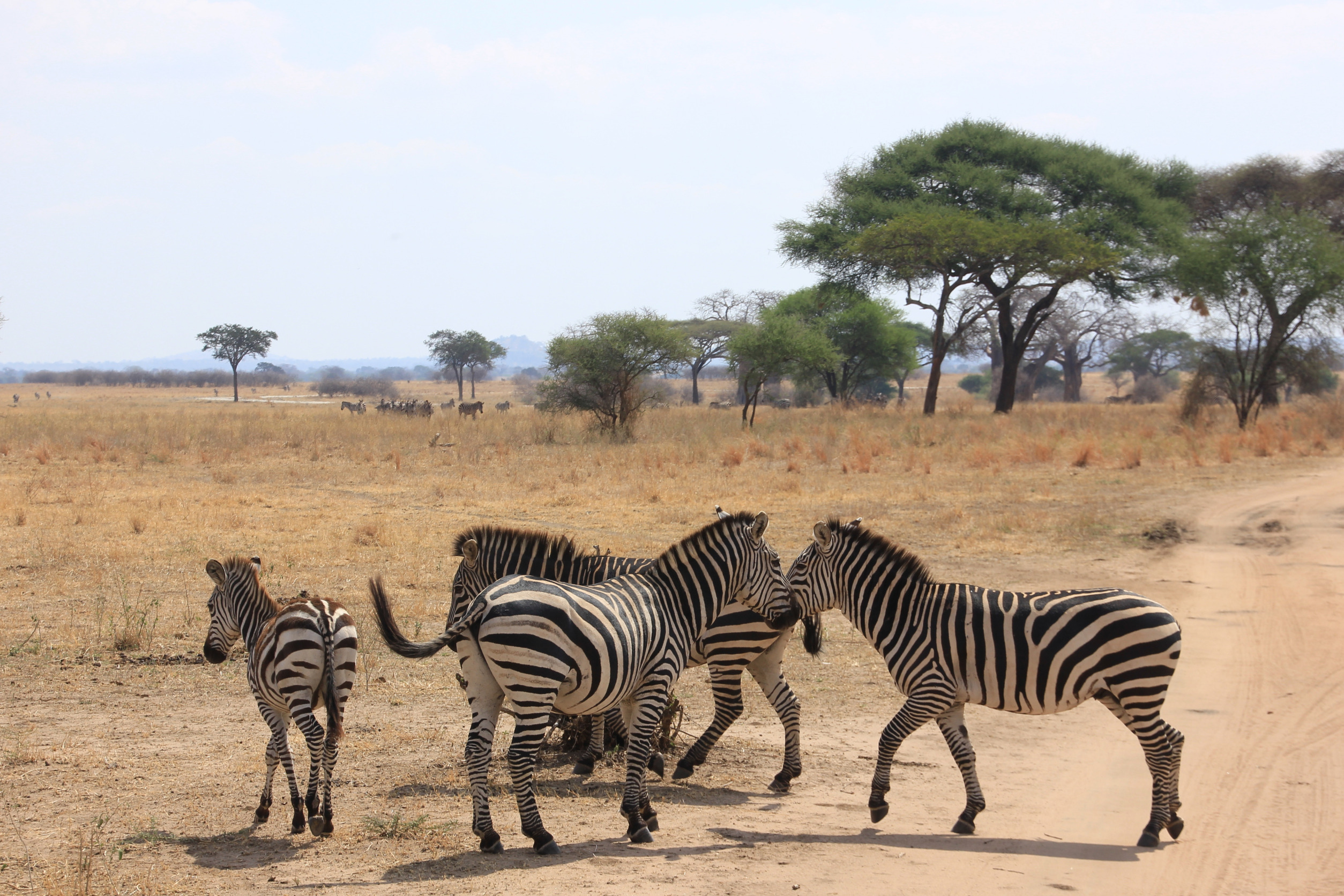
The dry season is the best-known and most sought-after time to go on safari in Tanzania. Starting in June and peaking between July and September, this period offers optimal game viewing across almost all the major parks, from the Serengeti and Ngorongoro to Tarangire, Lake Manyara, Ruaha, and Nyerere National Park.
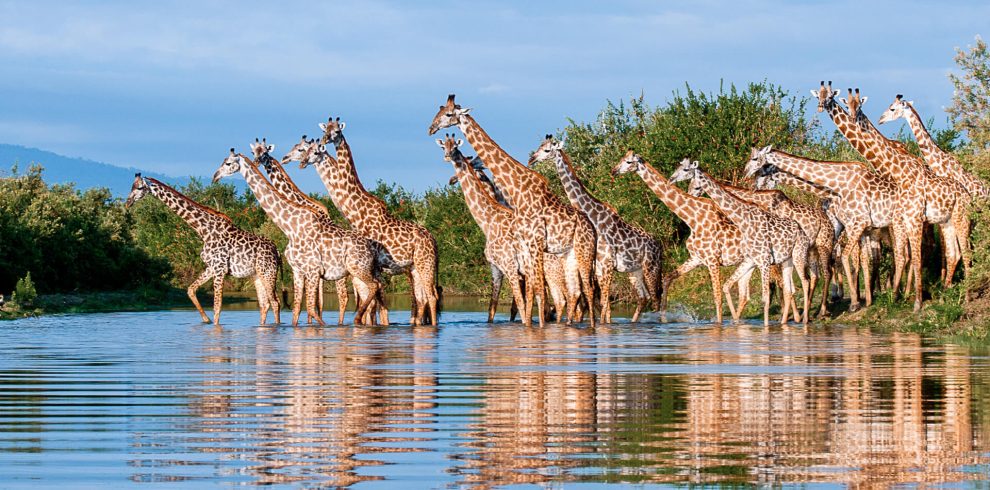
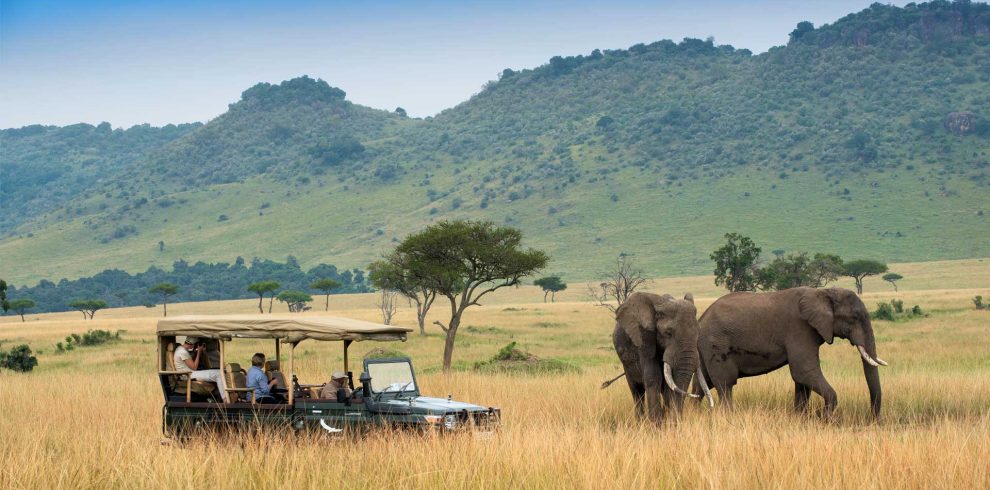
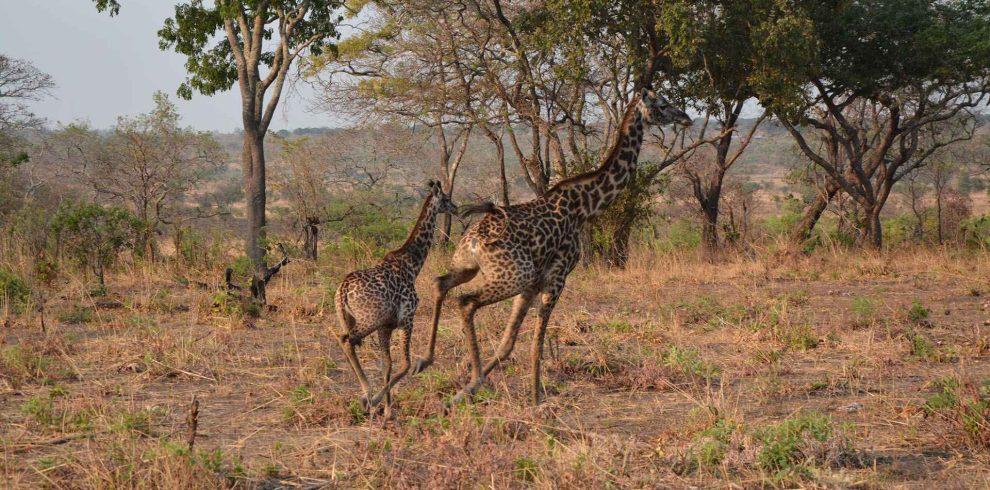
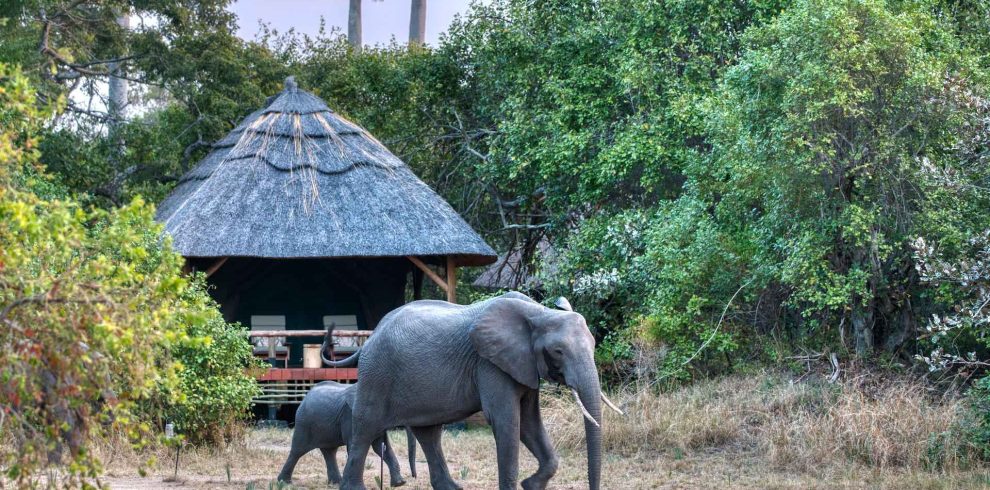
As water becomes scarce, animals concentrate around remaining water sources—rivers, swamps, and manmade waterholes. This natural congregation creates high-density wildlife viewing, especially of large mammals like elephants, buffalo, giraffes, and predators such as lions and leopards. Visibility is exceptional, as the grass is short and trees have fewer leaves.
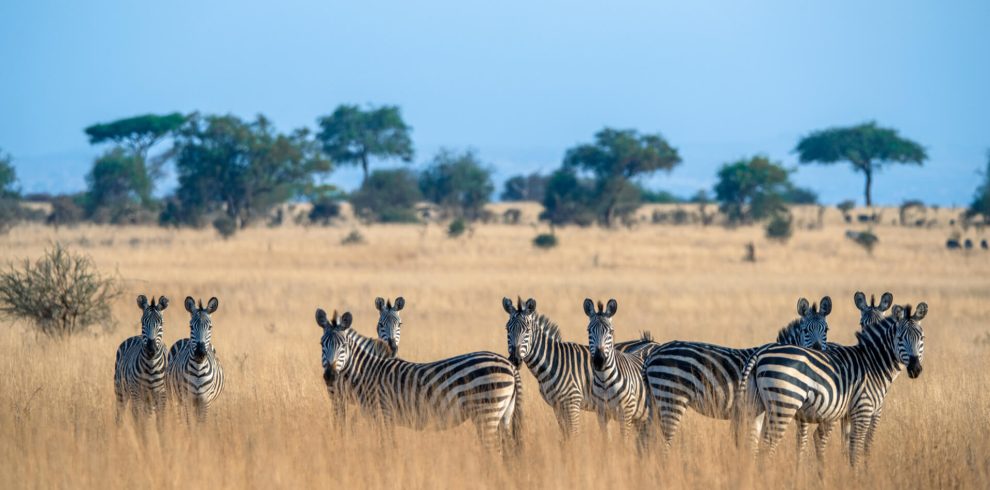
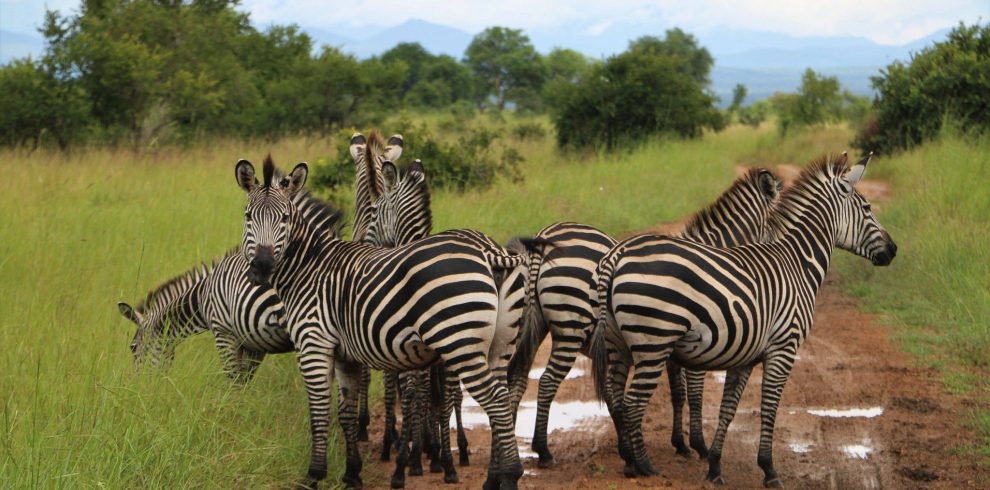
For travelers dreaming of the Great Migration, this season offers the famous river crossings. In June and July, the herds approach and cross the Grumeti River in the western Serengeti, while from August through early October, they stage some of the most dramatic scenes at the Mara River in the north. These crossings are not only spectacular to watch but are often packed with tension—thousands of wildebeest and zebra leap into crocodile-filled waters while lions and hyenas wait on land.
The dry season is also perfect for first-time safari travelers or those interested in combining destinations. Road conditions are excellent, wildlife is easy to find, and many camps offer seasonal experiences like walking safaris and night drives. However, the advantages come at a cost—this is peak season, so accommodation prices are highest, and popular parks can feel crowded during key months like July and August.
Short Rains Season
November to December – The Start of the Green Season
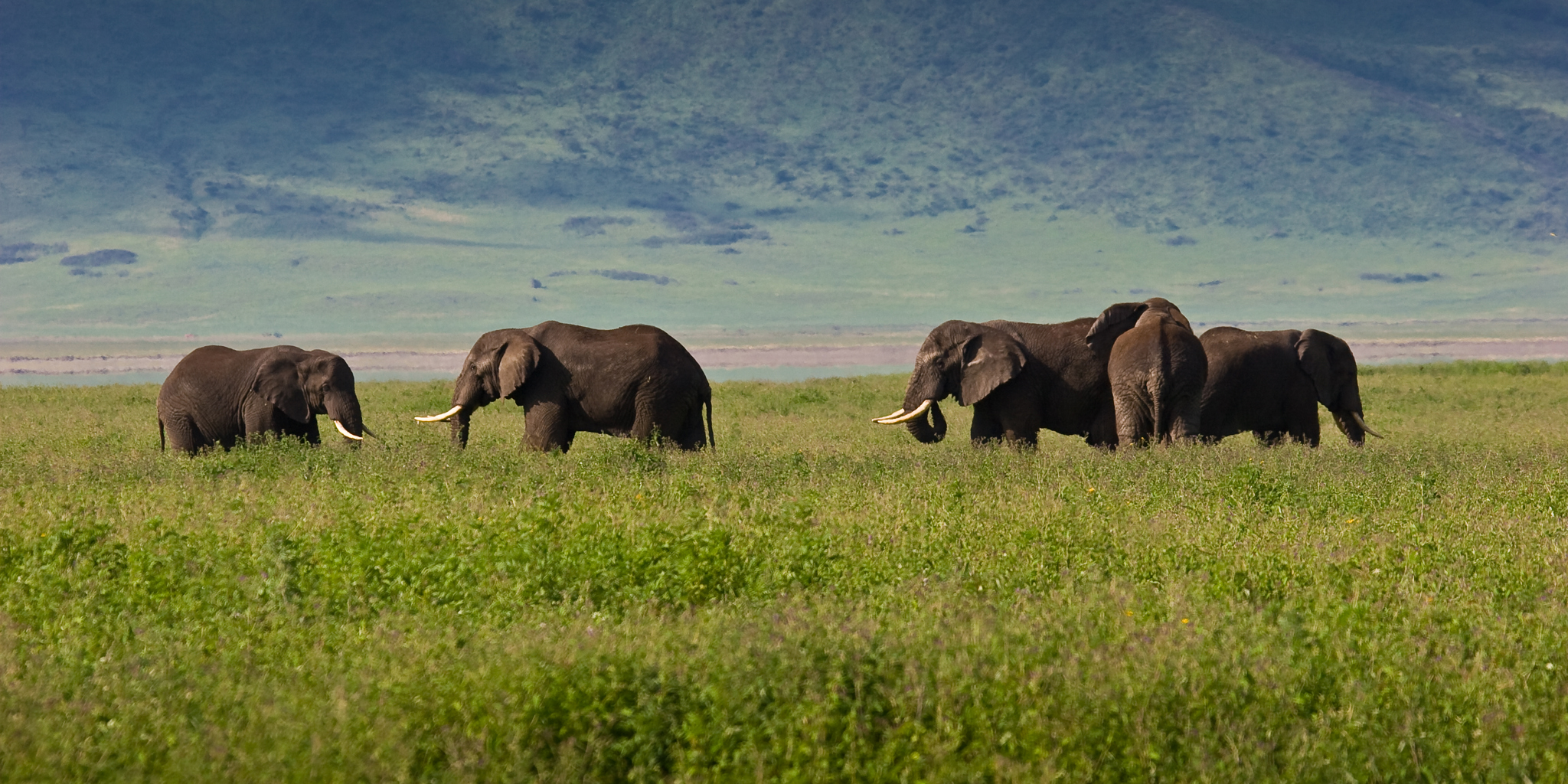
November marks the onset of the short rains, a transitional period that transforms the landscape from dusty browns to vibrant greens. These rains typically arrive in brief showers during the afternoons or evenings, rather than constant downpours, and they rarely affect game drives significantly. The scenery becomes lush and alive, and animals begin to spread out as water becomes more readily available throughout the plains.
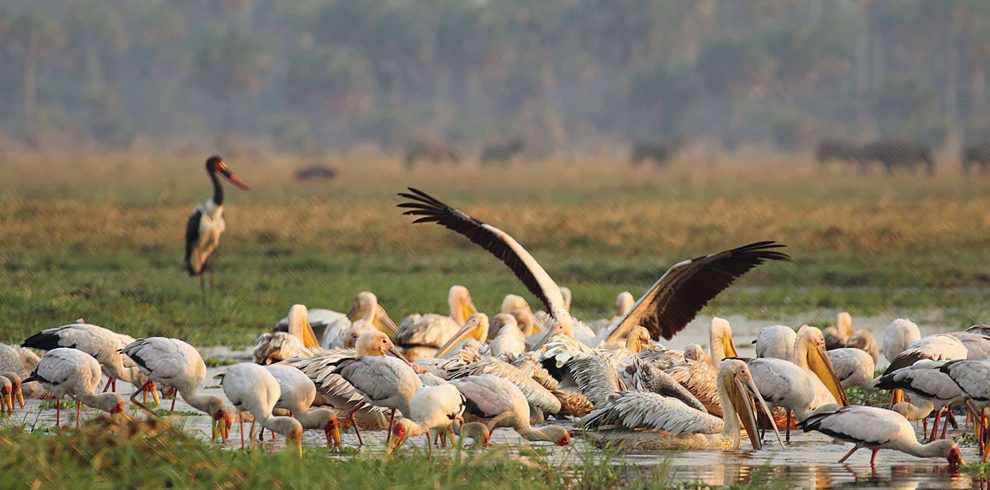
Despite being the shoulder season, this period is excellent for certain experiences. Migratory birds begin to arrive in large numbers, making it an ideal time for birdwatchers. The scenery becomes stunningly photogenic, with deep colors, stormy skies, and dramatic lighting. Tourist numbers drop, so you’ll often have wildlife sightings all to yourself. Prices also drop, making it one of the best-value times to travel without sacrificing the quality of game viewing.
While the Great Migration continues, the herds begin their journey back south from the northern Serengeti to the southern plains near Ndutu. By December, many are already arriving in preparation for the calving season ahead. If you’re looking for a quiet and scenic safari with great guides and more flexible availability, this season is an excellent choice.
Green Season & Calving
January to March – Wildlife Births and Predator Action
The early months of the year are defined by a unique event that’s often overlooked by first-time safari-goers but highly valued by experienced travelers: the calving season. Between January and March, the vast herds of wildebeest settle in the nutrient-rich southern Serengeti and Ndutu plains to give birth. Over 500,000 calves are born in a matter of weeks, creating an overwhelming display of new life.
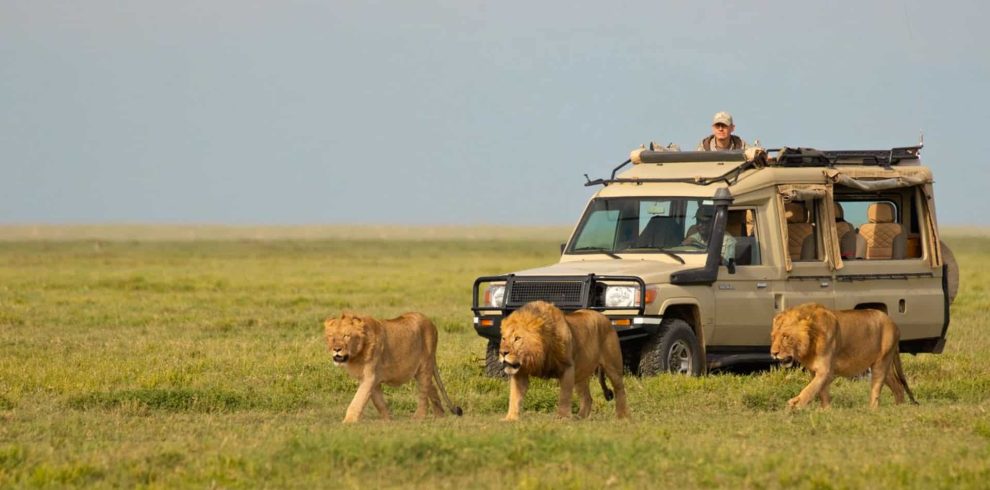
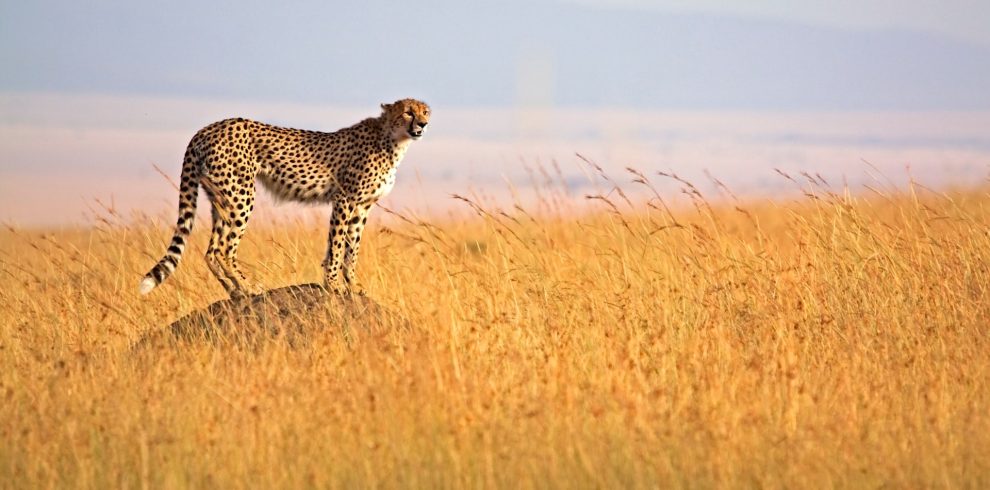
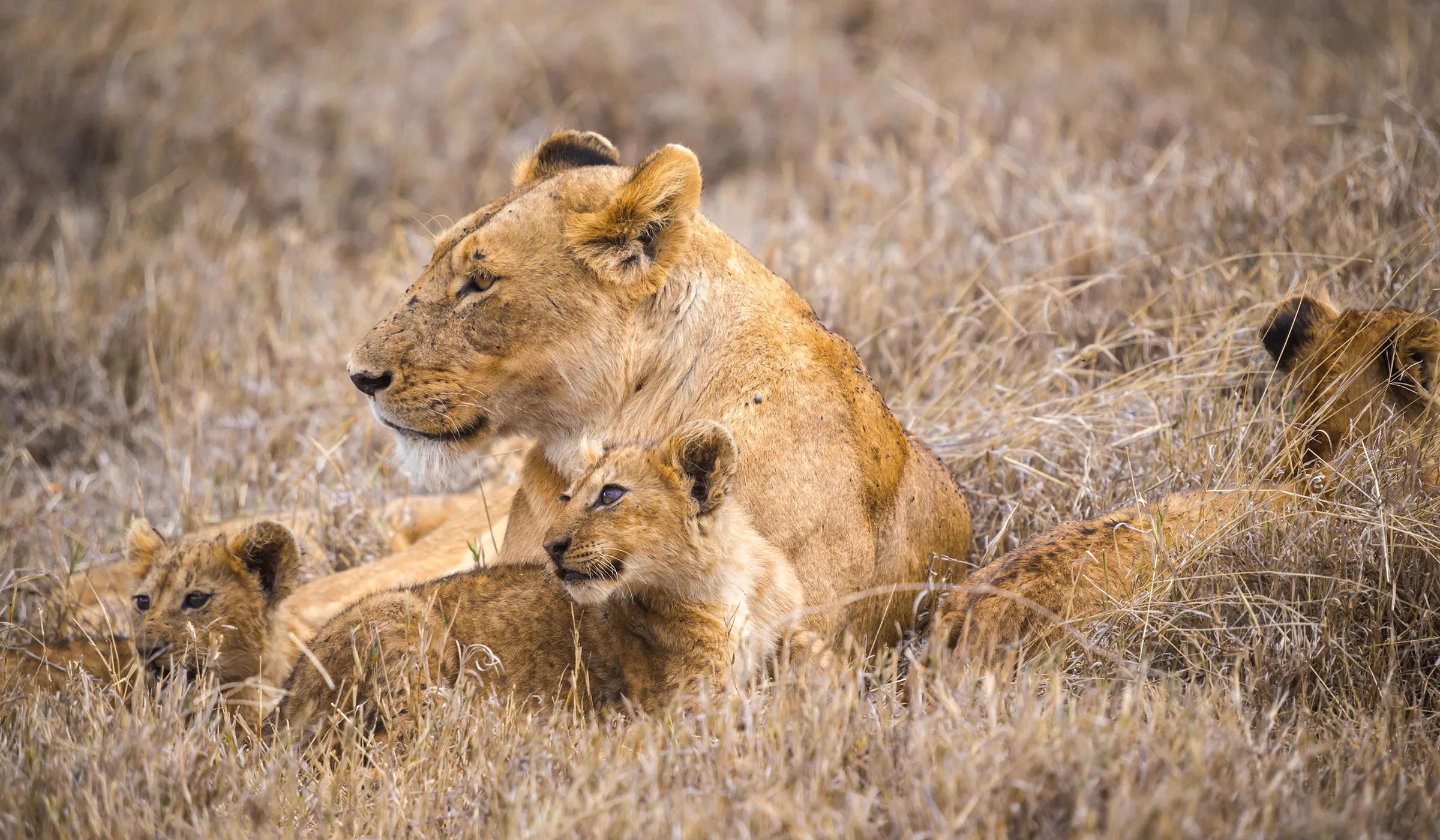
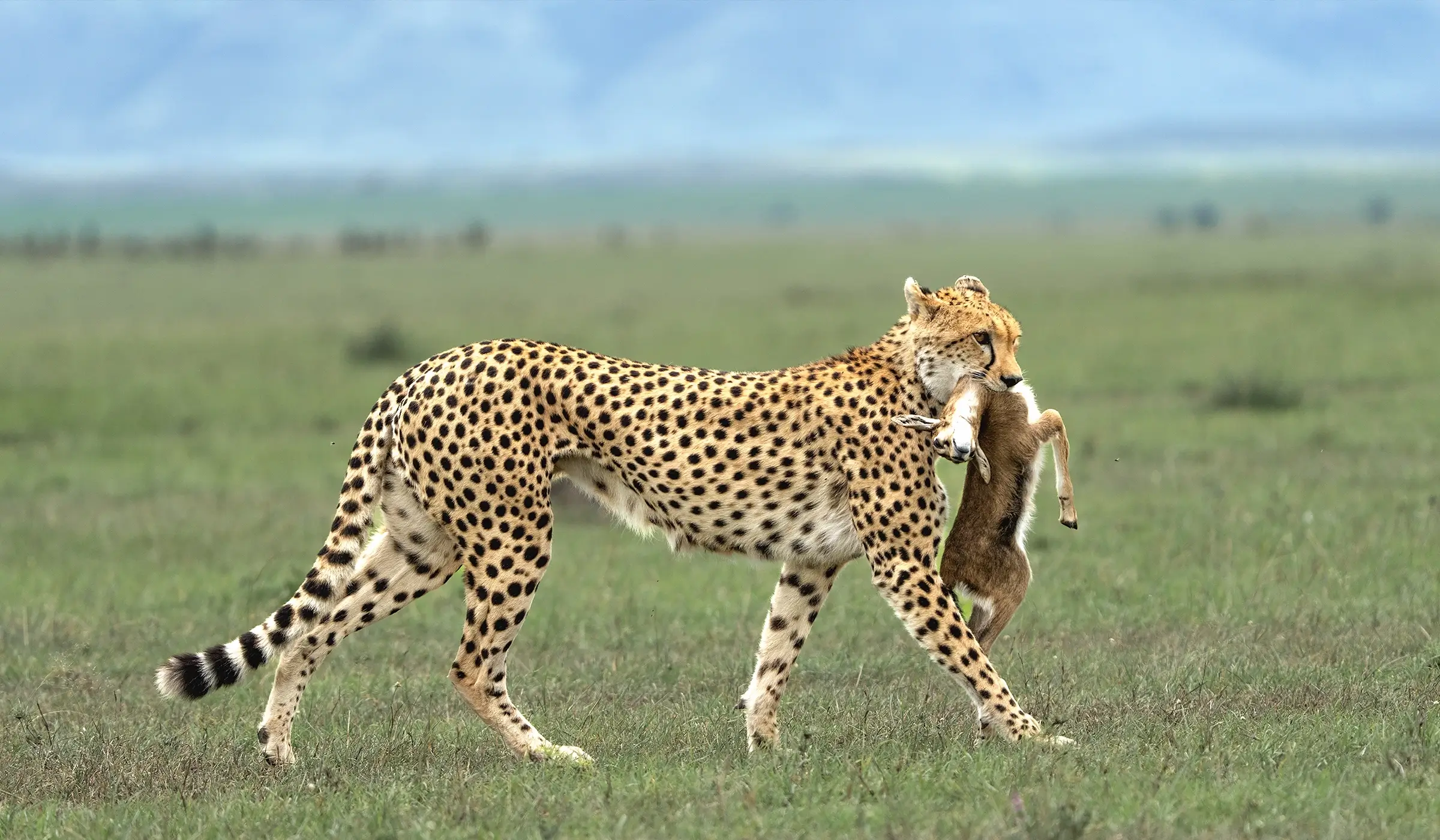
This season is not only about the beauty of birth—it’s also about survival. Predators take full advantage of the influx of young and vulnerable animals. Lions, cheetahs, hyenas, and even jackals actively hunt and often do so in broad daylight, providing guests with an unparalleled opportunity to witness the raw dynamics of the natural world.
The weather is generally warm and mild, with occasional showers that keep the grass green without disrupting the safari experience. Game viewing is still excellent, though the wildlife is more dispersed than during the dry season. With fewer visitors and lower prices, the experience feels more exclusive and immersive.
The calving season also coincides with peak birdwatching opportunities, as migratory species from Europe and Asia join the already diverse Tanzanian bird population. This makes the early year ideal for photographers, nature enthusiasts, and anyone looking to experience an authentic side of the Serengeti far from the river-crossing crowds.
Long Rains Season
April and May – Low Season with High Rewards
The long rains of April and May mark the quietest time in Tanzania’s safari calendar. Many mobile camps shut down due to accessibility issues, especially in remote parts of the Serengeti or Ruaha. Roads can be muddy, and wildlife tends to be more scattered due to the abundance of water. However, several regions remain open and productive, particularly the Ngorongoro Crater and central Serengeti, where the crater’s enclosed geography and the central plains’ topography still allow for good game viewing.
This season is not for everyone, but for the adventurous and the well-informed, it offers tremendous benefits. Lodge rates are at their lowest, and you may find yourself one of only a few guests in some of the most exclusive accommodations. Landscapes are green and vibrant, photography conditions are outstanding, and the sense of space and silence is unmatched.
If you’re a photographer seeking drama, or a traveler who values tranquility over density, April and May can provide one of the most peaceful and unexpectedly rewarding safari experiences.
Choosing the Right Time for Safari
If your priority is seeing the Great Migration river crossings, travel from July to September.
For predator action and wildlife births, January to March during the calving season is unmatched.
To enjoy excellent weather and Big Five game viewing with minimal rain, go from June to October.
For budget-friendly travel, photography, and fewer crowds, April, May, and November are best.
Birdwatchers should plan their visit between November and April, when migratory birds are present.
Final Thoughts
The best time to travel to Tanzania for safari isn’t a simple one-size-fits-all answer. It depends on what you want to witness, how much flexibility you have, and what kind of atmosphere you prefer. The dry season may be the safest choice for first-timers, but the green season offers depth, drama, and intimacy that many experienced travelers come back for again and again.
No matter the month, Tanzania delivers a safari experience shaped by nature’s rhythm—and when you align your visit with that rhythm, every day in the bush becomes unforgettable.