Kilimanjaro’s Climbing Trails
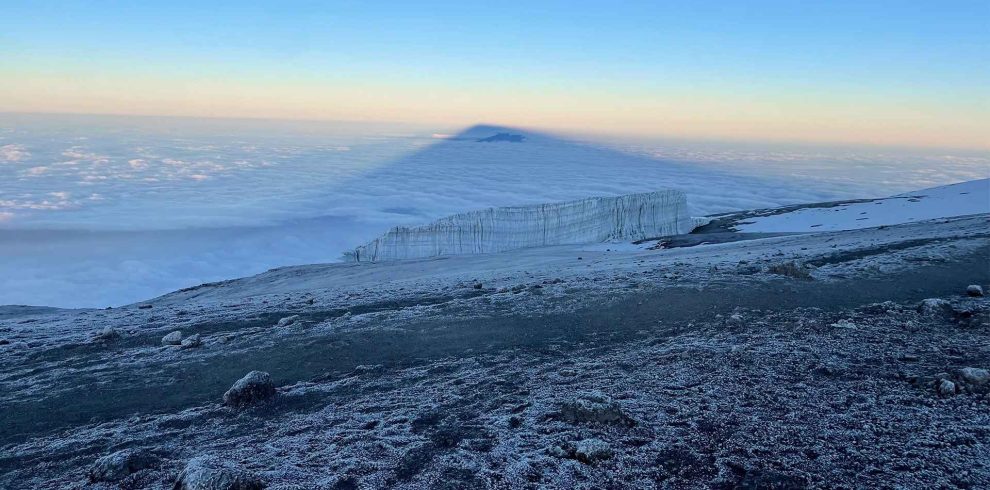
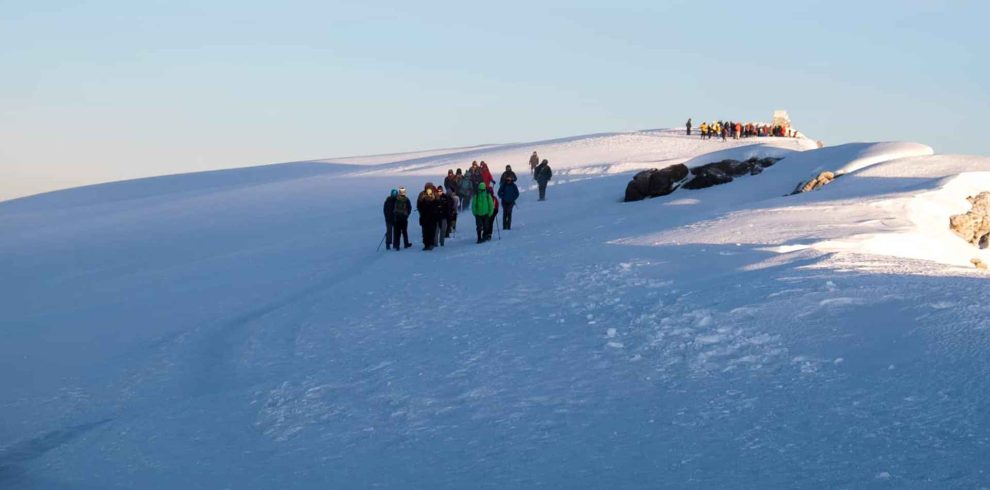
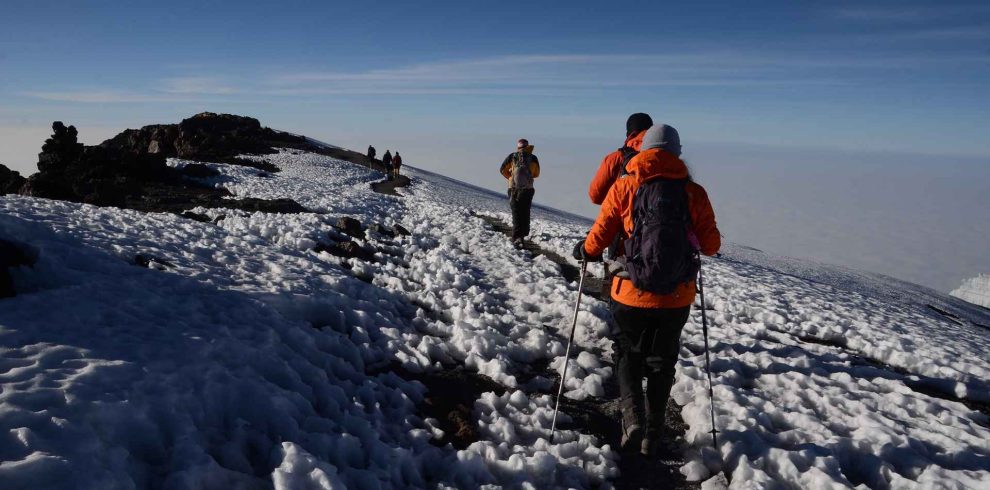
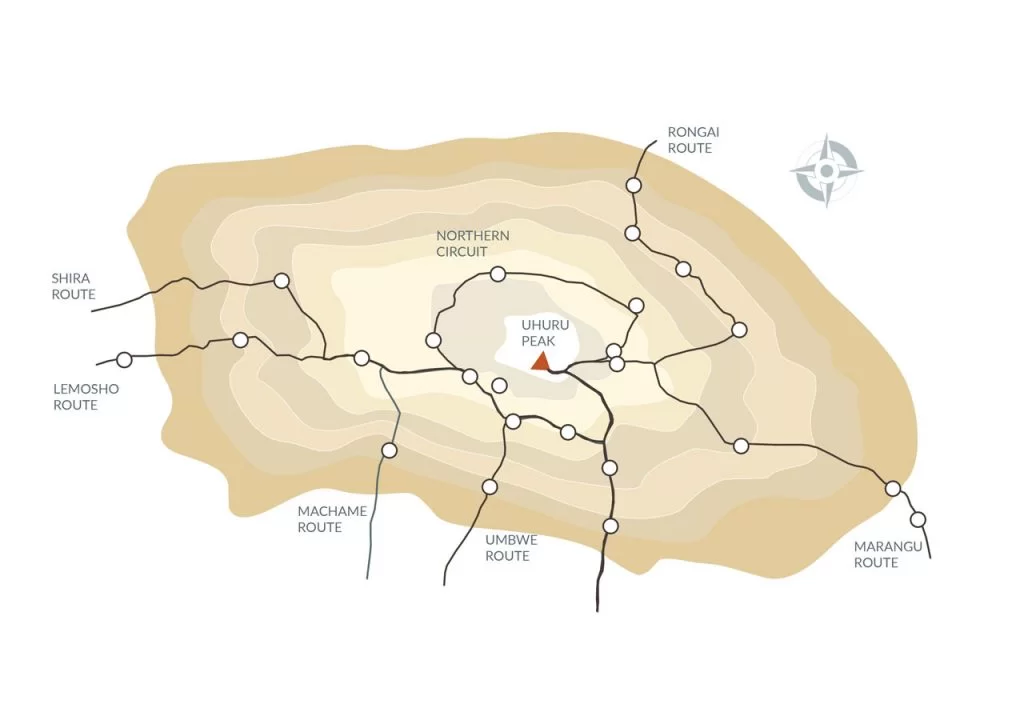
Mount Kilimanjaro offers several hiking trails, each with unique scenery and difficulty levels. The Marangu Route features hut accommodations and a gentler path, while the Machame and Lemosho Routes offer more scenic and challenging climbs with higher success rates. Rongai is quieter and ideal during the rainy season, and the Northern Circuit provides the longest, most remote trek with excellent acclimatization, and Umbwe is the steepest, suited for experienced climbers. Each trail reveals Kilimanjaro’s stunning ecological zones and promises a memorable journey to Africa’s highest point.
Marangu Route
A Gentle Passage through the Green Belt
Climbing the Marangu Route is like stepping into a living tapestry of lush African forest. From the moment you set off beneath towering camphor and giant heather trees, you’ll hear the haunting calls of colobus monkeys overhead and the rustle of blue duiker in the undergrowth. As you ascend, narrow trails weave through moss-draped bamboo thickets, emerging onto open moorland alive with the delicate purple blooms of heath and lobelia. Nights are spent in cozy stone-and-timber huts, where you trade expedition tents for bunk beds and swap stories in the mess hall over warm mugs of chai. Although its gentler gradients ease the legs, the swift pace from forest to glacier means you’ll need focus to dodge altitude’s subtle pull—so savour every green, buzzing step before the air thins.
Machame Route
A Dramatic Odyssey of Ridges and Walls
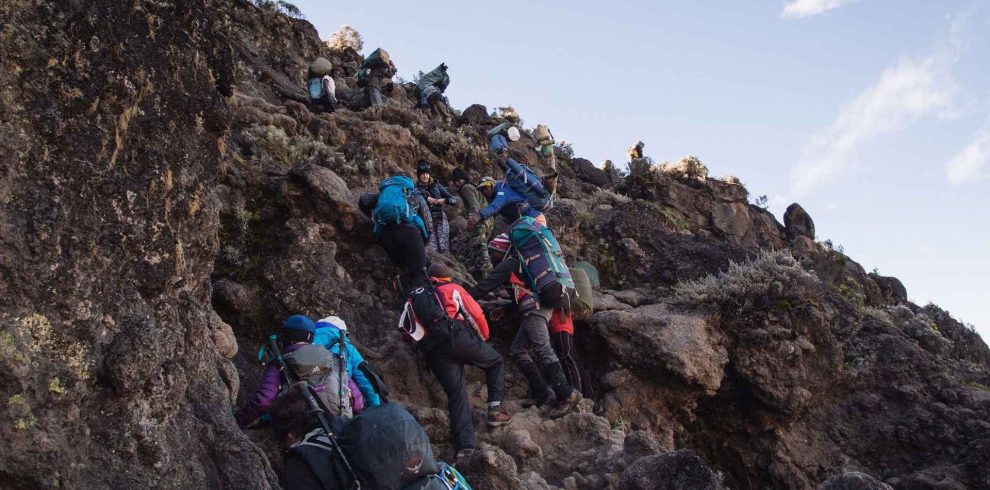
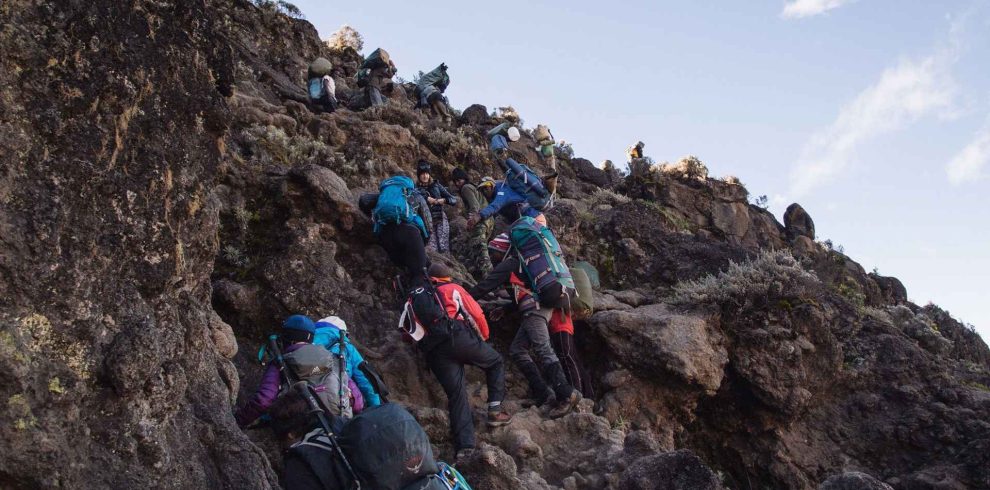
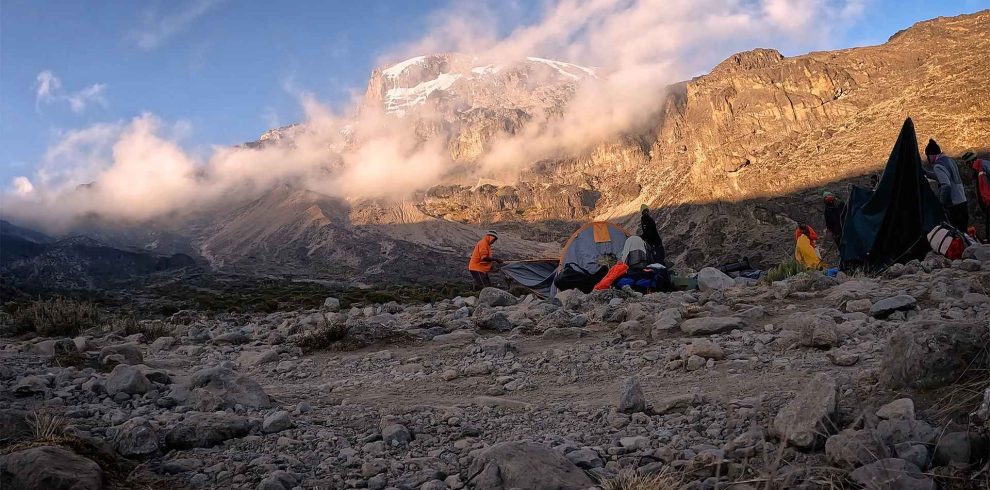
Often called the “Whiskey Trail,” Machame greets you with a steep climb through rainforest that soon gives way to the sculpted slopes of the Shira Plateau. At dawn, a soft pink glow bathes the rugged skyline, and you crest a ridge to gaze across a sea of rolling moorland. The real heart of Machame is the legendary Barranco Wall—a 200-metre sweep of dark volcanic rock that you’ll tackle with rope and teamwork, each foothold revealing hidden nooks covered in bright lichens. Beyond this, the route threads between the rocky spires of the Lava Tower, an eerie, sun-bleached sentry at 4,600 m. Each evening you’ll camp beneath a vast, star-scattered sky, the Milky Way arcing overhead as you bundle in your sleeping bag, ears filled with the wind’s hushed whistle.
Lemosho Route
Serenade of Solitude and Scenery
Lemosho is a siren’s call to those craving solitude. Your trek begins on the remote western flank, where only the wind and wandering elephants disturb the silence. Giant lobelia stand like sentinels amid rolling grasslands; vultures wheel lazily on thermal currents. As you climb, a verdant rainforest corridor gives way to a high-altitude desert, punctuated by the ghostly silhouettes of volcanic outcrops. Camps such as among the emerald heath at Shira 1 or the emerald sweep of Barranco Camp feel almost sacred—untouched by crowds, with only the distant echo of rockfall for company. The extended itinerary allows your body to adjust slowly, translating each breath into confidence, so that by the time you summit at dawn, the blood-stained glow of sunrise feels less like triumph and more like the culmination of a pilgrimage.
Rongai Route
Whisper of the Northern Winds
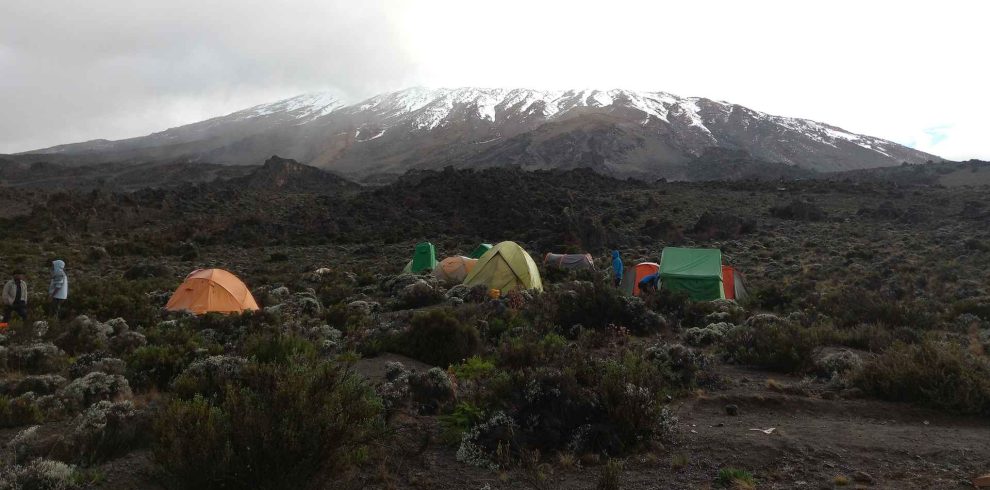
Approaching Kilimanjaro from the rain-shadowed north, Rongai greets you with drier air and open vistas. Here the trail skirts silver-green sheets of ericaceous forest, where the wind threads through slender trunks and carries the scent of wild thyme. The gentle, rolling slopes give way to sprawling moorlands dotted with bizarre giant groundsels—plants as tall as people, their waxy leaves shining under the high sun. Wildlife sightings tend toward the quiet and curious: troops of baboons foraging near camps, eland pausing like statues on distant ridge-tops. Each camp–from Simba Camp’s manicured terraces to Kikelewa Caves’ granite enclaves—offers a distinct character, yet all share the same unobstructed northern panorama. You’ll feel carried by the breeze, as if the mountain itself were guiding you upward.
Northern Circuit
A Grand Tour of Solitude and Summits
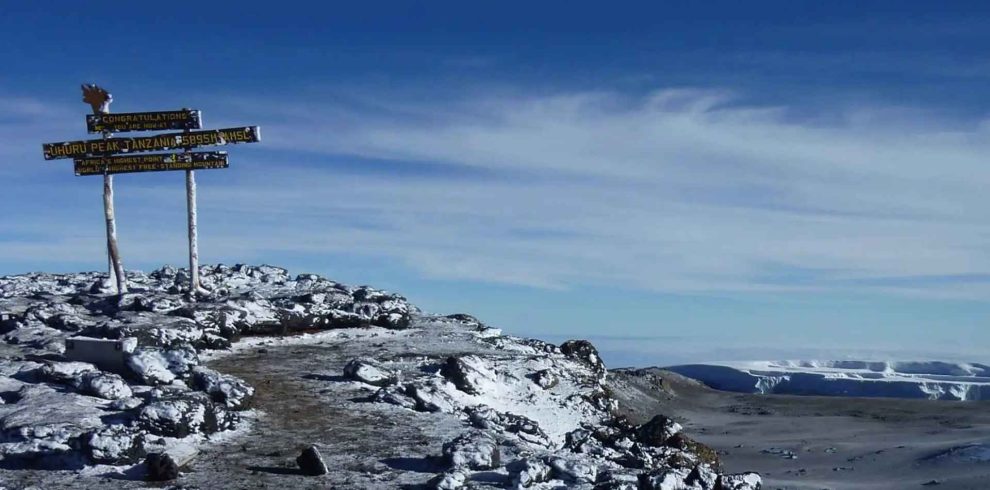
If you dream of circumnavigating Kilimanjaro’s vast bulk, Northern Circuit is your path. Over eight or nine days you’ll traverse rainforests, heathlands, alpine deserts and ice fields—each day unveiling new perspectives on the towering ice‐capped crowns of Kibo and Mawenzi. Early camps such as Mwanga Hut lie deep within whispering forests; later, you’ll dine at Third Cave under an open sky that glows with sunset’s fiery palette. By the time you make your final push from Kibo Hut—through the ethereal “Saddle” between peaks—you’ve already earned a profound kinship with the mountain. Reaching Uhuru Peak at sunrise feels predestined, as though Kilimanjaro has shared all its secrets with you on the way.
Umbwe Route
The Steep, Silent Challenge
Reserved for the most determined climbers, Umbwe is Kilimanjaro distilled to its purest challenge. The trail kicks off with a relentless ascent through dense rainforest, each twist in the path promising a glimpse of sky until you burst above the canopy. From there, the climb tightens into steep, rocky pitches that demand concentration and grit. Camps perch on narrow benches carved into the mountainside, with only thin air and the hush of altitude for company. There’s little time for acclimatization, so every careful step counts; every summit bid becomes a personal crucible. Those who emerge victorious speak of a raw, almost spiritual triumph—one earned in bone-deep effort and the unbroken hush of Kilimanjaro’s wilder face.