Kilimanjaro Climbing Food Menu
Nourishing Your Summit: What You’ll Eat on the Roof of Africa
When climbing Mount Kilimanjaro, your body is pushed to its limits—and proper nutrition plays a critical role in your energy, recovery, and overall success. That’s why food on the mountain isn’t just an afterthought—it’s an essential part of the experience.
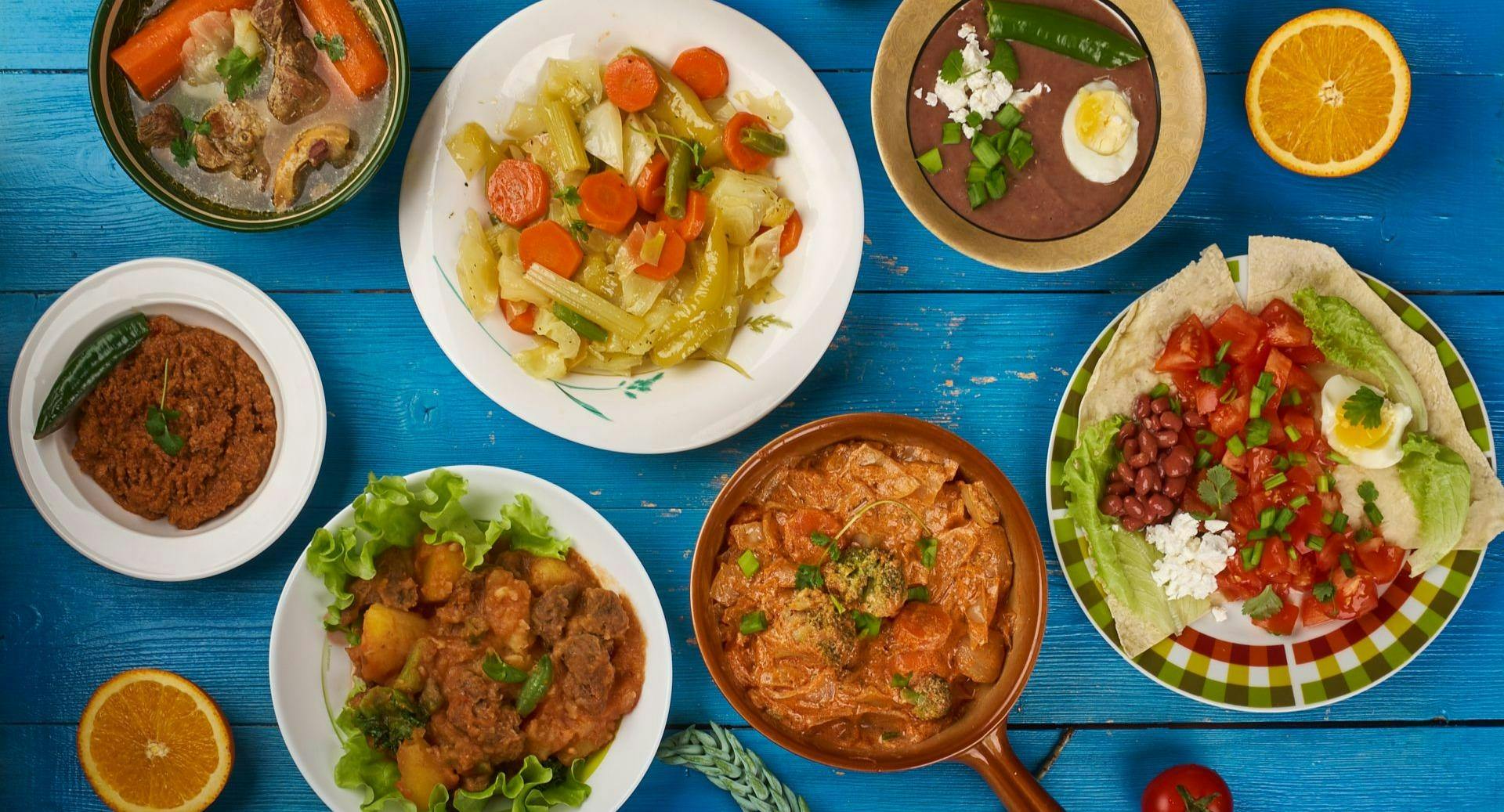
Our dedicated mountain chefs prepare fresh, hearty, and high-calorie meals designed to fuel your climb, keep you healthy, and lift your spirits after a long day of trekking. From hot breakfasts to satisfying dinners, the Kilimanjaro food menu is both diverse and surprisingly delicious—even at 4,000 meters above sea level.
Kind of Food Do You Eat on Kilimanjaro
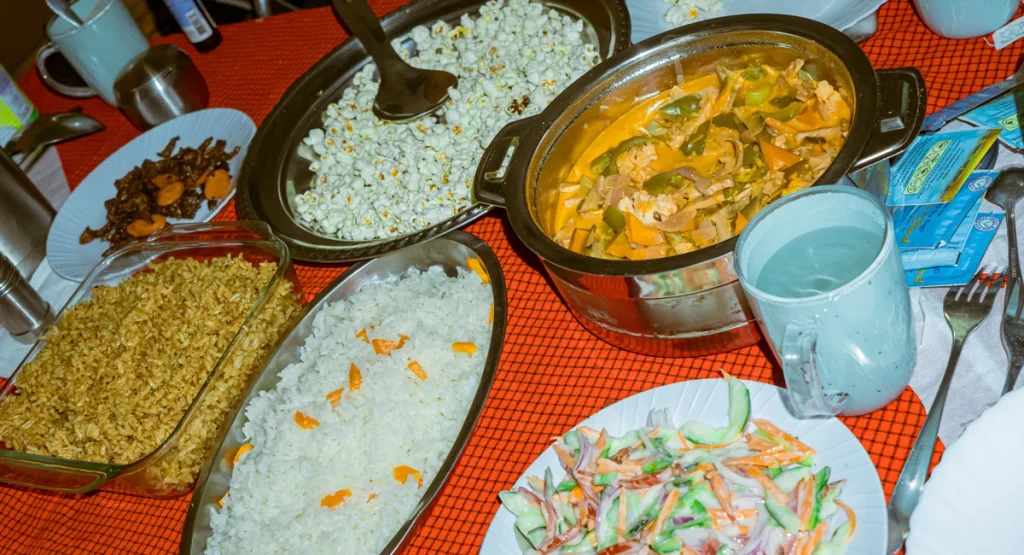
We provide three full meals a day, along with snacks, hot drinks, and plenty of clean drinking water. Every dish is prepared onsite using quality ingredients, cooked by trained mountain chefs, and served fresh in the dining tent.
The menu is thoughtfully planned to include:
High-carbohydrate meals for energy
Plenty of fluids and electrolytes for hydration
Balanced proteins and healthy fats for recovery
Comforting, warm dishes to keep you cozy in the cold
We also cater to special diets including vegetarian, vegan, gluten-free, and halal—just let us know in advance.
Sample Kilimanjaro Climbing Menu
Breakfast
Start your day with a warm, hearty meal to power your morning hike.
Porridge (oats, millet, or semolina)
Fried or scrambled eggs
Sausages or bacon (if desired)
Toast with butter, jam, or peanut butter
Pancakes or crepes
Fresh fruit (banana, mango, watermelon, papaya)
Tea, coffee, hot chocolate
Warm drinks are always available in the morning and evening to help you stay hydrated and warm.
Lunch
Depending on your route and schedule, lunch may be served hot at a scenic rest point or packed for convenience.
Hot Lunch (when served at camp):
Vegetable soup with bread
Fried rice or pasta with vegetables
Chicken stew or beef curry
Avocado salad
Tropical fruit juice or tea
Packed Lunch (on long trekking days):
Boiled eggs
Sandwiches (cheese, avocado, chicken, or peanut butter)
Fruit (banana or orange)
Juice box or energy drink
Biscuits or chocolate bar
Afternoon Tea
After a long hike and before dinner, you’ll enjoy a well-deserved break.
Popcorn or roasted peanuts
Cookies or biscuits
Tea, coffee, or hot chocolate
This is often a social moment in the mess tent—relax, chat, and recharge before dinner.
Dinner
Dinner is your most rewarding meal of the day—a warm, filling feast that keeps you energized for the next trek.
Vegetable soup with chapati or bread
Main dishes like:
Spaghetti with meat or tomato sauce
Rice with chicken or beef stew
Mashed potatoes with sautéed vegetables
Ugali (East African maize meal) with beans or fish
Freshly steamed or stir-fried vegetables (carrots, cabbage, green beans)
Fruit for dessert (pineapple, orange slices, apple)
Herbal tea or hot chocolate
Dining Tent Setup: Comfort at Every Altitude
Meals are served in a dedicated dining tent with:
A table and chairs
Tableware (plates, mugs, utensils)
A lantern for lighting in the evening
Thermoses of hot water always ready for drinks
Even at base camps over 4,000 meters, you’ll enjoy freshly cooked meals in a cozy environment, shielded from wind, cold, and rain.
Why Good Food on Kilimanjaro Matters
Altitude suppresses appetite – our tasty, hot meals encourage you to eat even when you’re tired
Calorie needs are higher – trekking burns up to 6,000 calories a day!
A strong immune system – fresh produce and clean food prep keep you healthy on the trail
Morale booster – a warm, satisfying meal lifts your spirits on challenging days