Cost to Climb Mount Kilimanjaro?
Unlocking the Roof of Africa: What You Really Pay For
Climbing Mount Kilimanjaro isn’t just a physical journey—it’s an adventure of a lifetime. But before you set foot on Africa’s highest peak, one important question stands tall: How much does it cost to climb Kilimanjaro?
The short answer: Kilimanjaro climbing costs typically range from $1,800 to $5,500+ per person, depending on the route, number of days, the level of service, and the tour operator you choose. But let’s dig deeper—because not all climbs are created equal.
Factors Affect Kilimanjaro Climbing Costs?
1. Route Choice
Each Kilimanjaro route has its own price tag. Shorter treks like Marangu (5-6 days) are generally cheaper, while longer and more scenic routes like Lemosho and Northern Circuit (7-9 days) cost more due to added days, food, staff wages, and logistics.
2. Group vs. Private Climb
Joining a group climb reduces the cost per person, while a private trek offers more flexibility and personalization—but at a premium price.
3. Level of Comfort
Want a budget-friendly adventure with basic tents and minimal frills? Or would you prefer a luxury climb with spacious tents, thicker sleeping mats, private toilet tents, and gourmet meals? Comfort upgrades increase the cost but enhance the experience.
4. Number of Days
More days on the mountain means a higher success rate—and more expenses. Every extra day adds park fees, porter wages, meals, and logistics. However, longer treks significantly improve acclimatization and your chances of reaching the summit.
5. Park Fees
The Tanzanian government charges over $800 in park fees per climber for a 7-day trek. These fees include conservation, camping, rescue, and crew permit costs—and they’re non-negotiable.
6. Quality of Operator
Not all operators are equal. Reputable companies invest in safety, certified guides, high-quality gear, and ethical porter treatment. Budget operators may cut corners, risking your health and summit success.
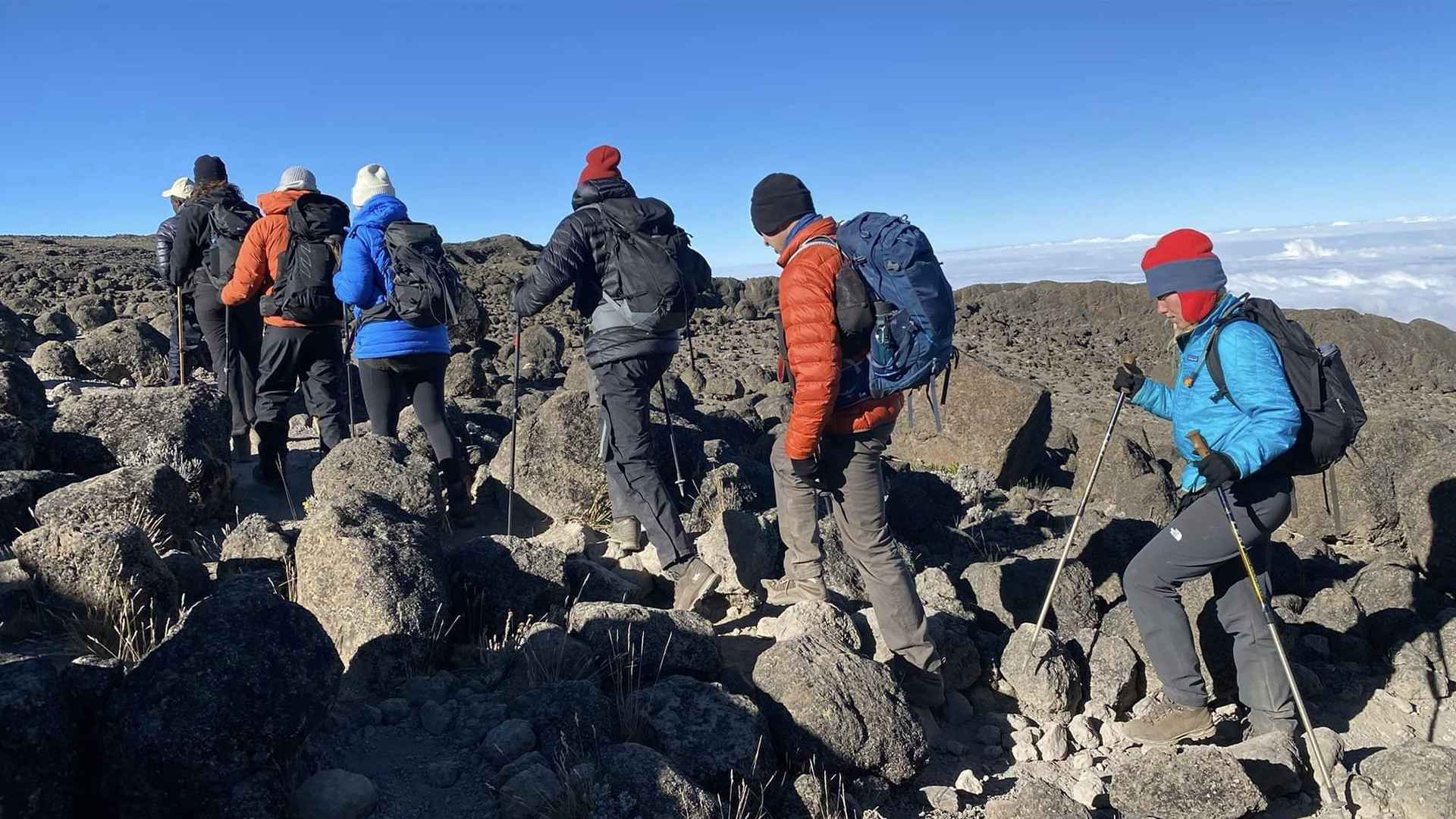
Why Do Kilimanjaro Prices Vary So Much?
Shorter Treks = Lower Price, Lower Success Rate
Cheaper treks are usually shorter (5 or 6 days), but come with a lower summit success rate due to poor acclimatization. A longer route like Lemosho or Northern Circuit improves your chances—and your safety.Group vs. Private Treks
Joining a group climb is more affordable. For a tailor-made experience with flexible pacing and personalized service, go private.Luxury Add-ons
Want glamping on Kilimanjaro? Think walk-in tents, camp cots, portable showers, gourmet meals, and WiFi (yes, really). It’s an elevated experience—and comes with an elevated price.
Kilimanjaro Climbing Price Breakdown (Per Person)
| Type of Climb | Duration | Estimated Cost (USD) |
|---|---|---|
| Budget Group Climb | 6-7 days | $1,800 – $2,400 |
| Mid-Range Climb | 7-8 days | $2,500 – $3,500 |
| Luxury Private Climb | 7-9 days | $4,000 – $5,500+ |
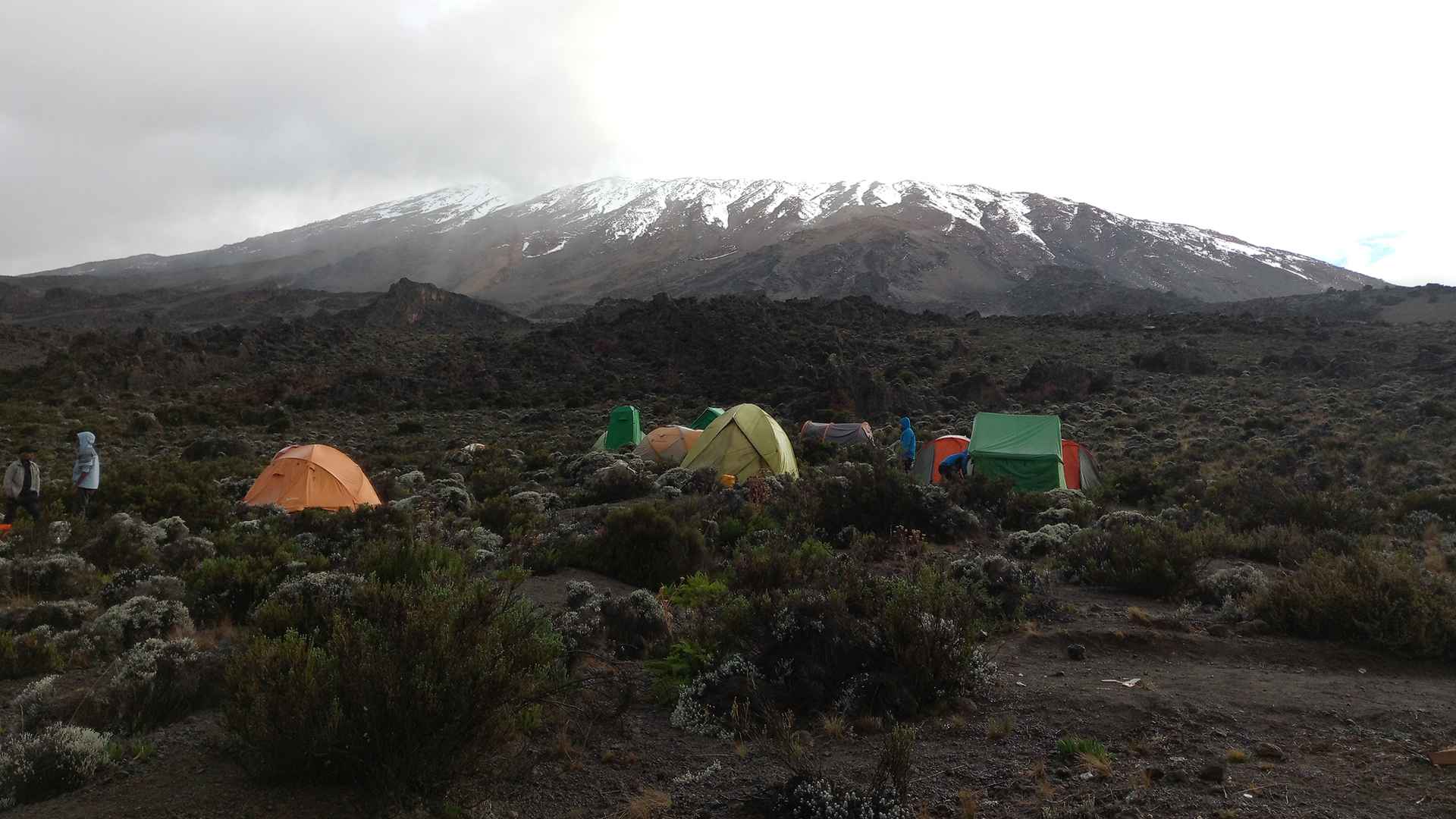
Why Paying More Can Be Worth It
On Kilimanjaro, cheaper is not always safer. Budget tours may mean overworked porters, poorly trained guides, low-quality food, or no emergency protocols. That’s why we recommend choosing a certified, ethical tour operator who prioritizes your safety, comfort, and summit success.
Remember, climbing Kilimanjaro is a once-in-a-lifetime experience. The memories will last forever—so make them worth every penny.
Climb Smart, Not Cheap
So, how much should you pay to climb Kilimanjaro? It depends on your travel style and priorities. Whether you’re a budget adventurer, a comfort-seeker, or a private expeditionist, there’s a way to make the climb fit your budget—without compromising your safety or experience.