What to Pack on Safari
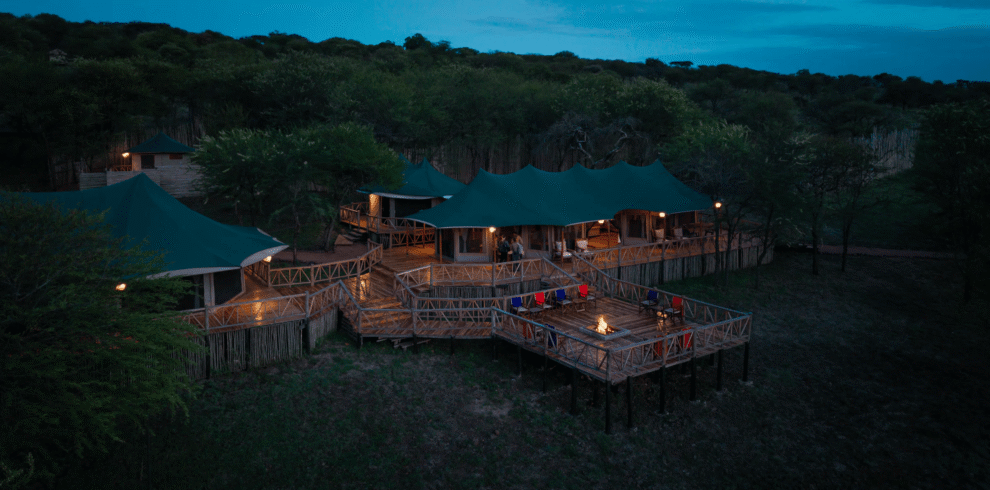
Packing for a Tanzanian safari is all about balance. You want to be well-prepared without overpacking. While ultra-minimalism isn’t necessary, bringing too much luggage can become a burden, especially since you’ll be traveling with your bags in the safari vehicle. During multi-night stays, you can leave items in your lodge or tented camp, but excess baggage may limit your space and affect your comfort during game drives.
To make planning easier, we’ve created a detailed packing guide based on years of safari experience. This list covers everything you need to stay comfortable, protected, and ready for every moment of your journey.
What to Wear: Practical Safari Clothing
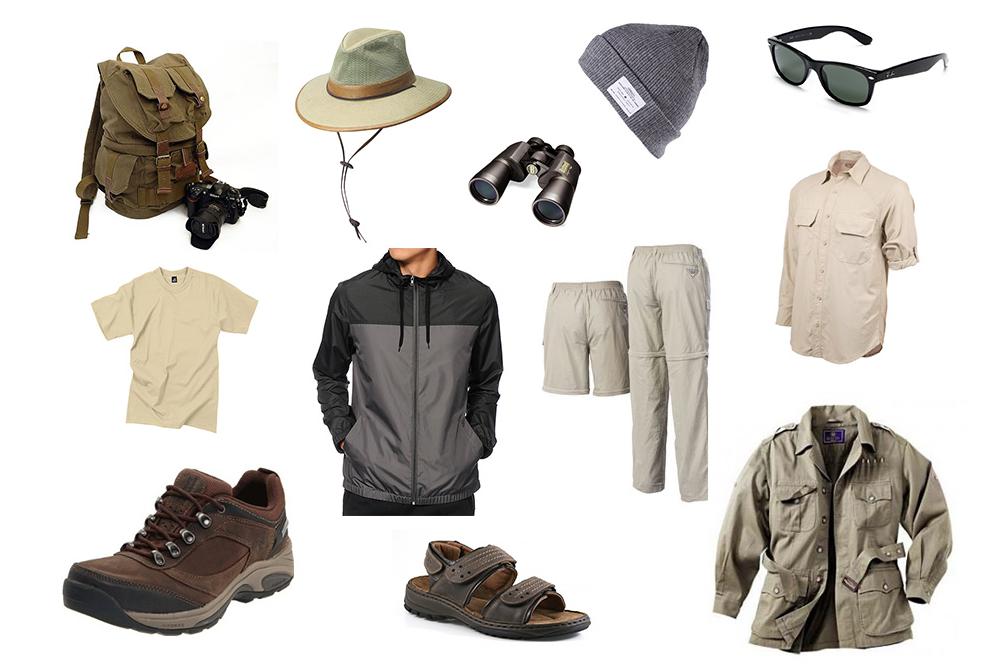
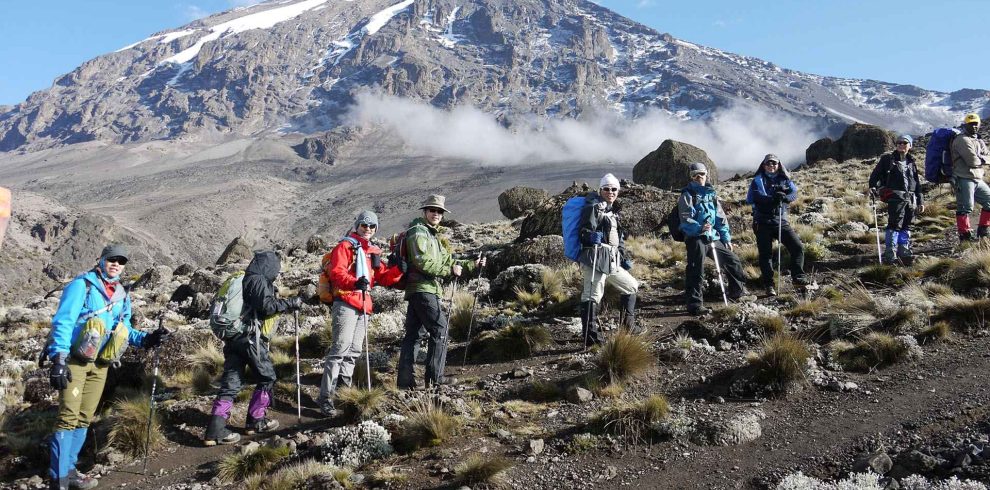
Most of your safari time will be spent in the vehicle, but short walks, cultural visits, and chilly mornings require flexible, breathable clothing. Focus on neutral tones—like khaki, beige, and olive—that blend in with the wild surroundings and hide dust well. Skip the flashy colors and synthetic fabrics; go natural, go practical.
Pack the following essentials:
1–2 long-sleeved shirts (for sun and bug protection)
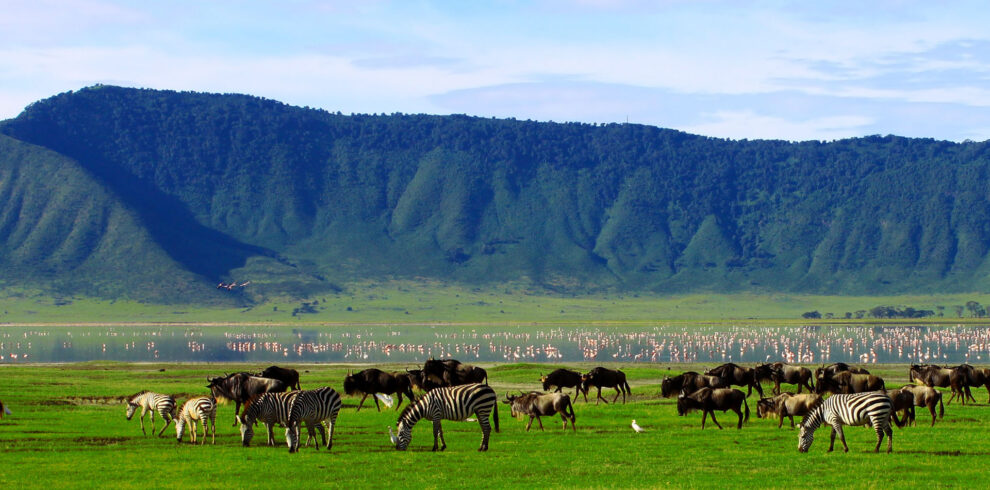
A warm sweater or fleece jacket (essential for early mornings and higher altitudes like Ngorongoro Crater)
Lightweight T-shirts (one for each day is ideal)
1–2 pairs of breathable cotton trousers
A pair of shorts or a comfy skirt
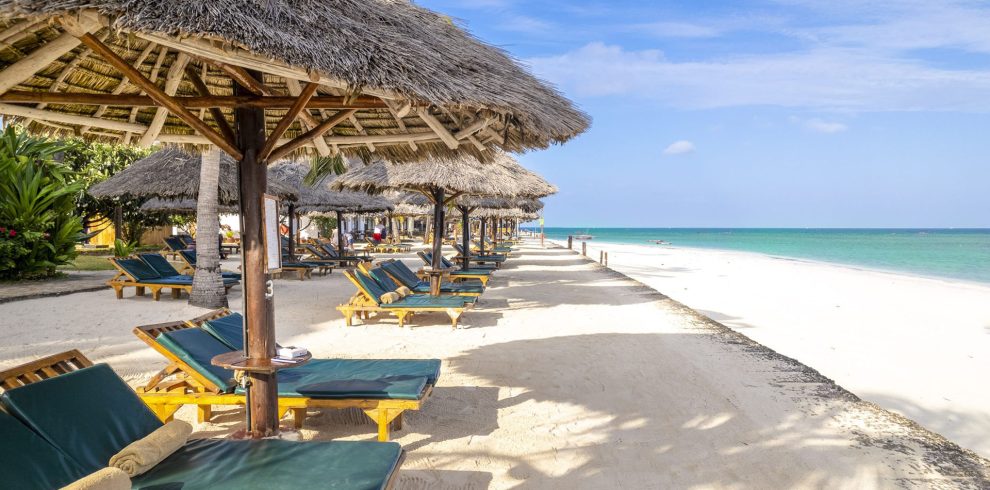
A swimsuit or trunks (many safari lodges have pools)
A wide-brimmed hat or cap (sun protection is non-negotiable)
Comfortable walking shoes (leave the fancy footwear at home)
Style tip: Layers are your best friend. Mornings and evenings can get surprisingly cold, while mid-days are often hot and sunny.
Safari Health & Medication Essentials
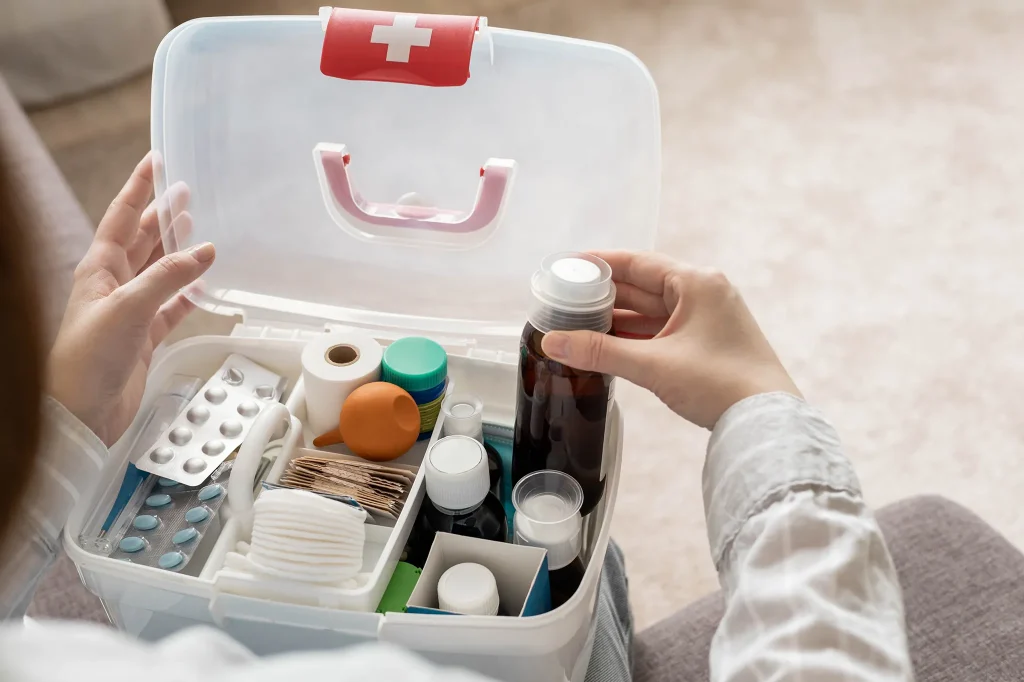
Your safari guide will carry a basic first-aid kit, but it’s important to bring your personal health essentials. Bumpy roads, intense sun, and new environments make preparation key.
Don’t forget to pack:
Personal prescription medications
Antimalarial medication (consult your doctor for recommendations)
Motion sickness pills
Allergy relief (antihistamines, nasal spray)
Inhaler (if you suffer from asthma or dust allergies)
High-SPF sunscreen (SPF 40+ is best)
Insect repellent (especially for dawn and dusk)
Pro tip: Wearing long sleeves during mosquito-prone hours is an easy and effective way to stay bite-free.
Snack Savvy: Fueling Your Safari Days
Even with full-board meals at your lodge or camp, long game drives can leave you craving a snack between sightings. Bring your favorites from home or try local flavors along the way.
Smart snacks include:
Energy bars or chocolate bars
Packaged nuts or trail mix
Biscuits, crackers, or cookies
Dried or fresh fruit (like apples or mango slices)
You’ll often find fresh local treats—like roasted cashews or sweet bananas—at village markets or roadside stalls.
Daypack Must-Haves for Game Drives
A well-stocked daypack makes all the difference. While binoculars are provided in most vehicles, you’ll want easy access to items that keep you fresh, organized, and ready for every photo op.
Pack in your day bag:
Sunglasses (to shield from UV rays and dust)
A scarf or bandana (perfect for windy, dusty drives)
Travel adapter (Tanzania uses UK-style 3-pin plugs)
Copies of important travel documents
Camera gear + spare batteries or memory cards
Hand sanitizer and wipes
Basic hygiene items (lip balm, deodorant, tissues)
Sunscreen and insect spray
A small notebook + pen for recording wildlife sightings or journaling your journey