Safari Destinations Overview
Tanzania is truly a special place for anyone wanting an unforgettable safari. It’s home to some of the most famous wildlife spots in Africa, where you can see incredible animals like lions, elephants, and rhinos living freely in their natural environment. Whether you visit the endless grasslands of the Serengeti or the stunning crater of Ngorongoro, you’ll experience nature in its most raw and beautiful form. Tanzania isn’t just about big animals — it’s also about the landscapes, from peaceful lakes and thick forests to wide-open plains, all filled with amazing wildlife.
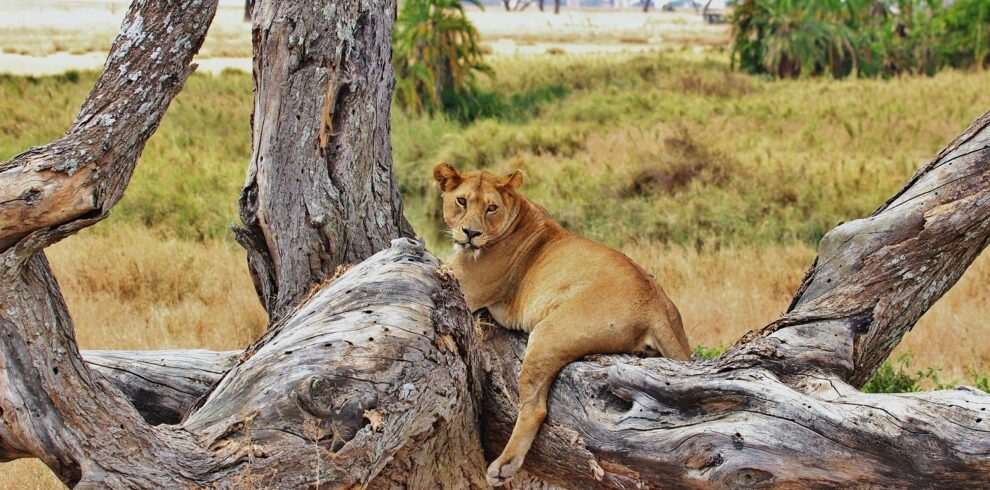
Each place you visit in Tanzania feels different and exciting. For example, Tarangire National Park is known for its giant baobab trees and big elephant herds, while Lake Manyara offers a chance to spot lions resting in trees and see colorful birds. The Selous Game Reserve feels wild and untouched, perfect if you want a quieter, more private adventure. And of course, the Serengeti and Ngorongoro are must-see spots where wildlife is always abundant. No matter what kind of safari you’re dreaming of, Tanzania has something incredible waiting for you.
Serengeti National Park
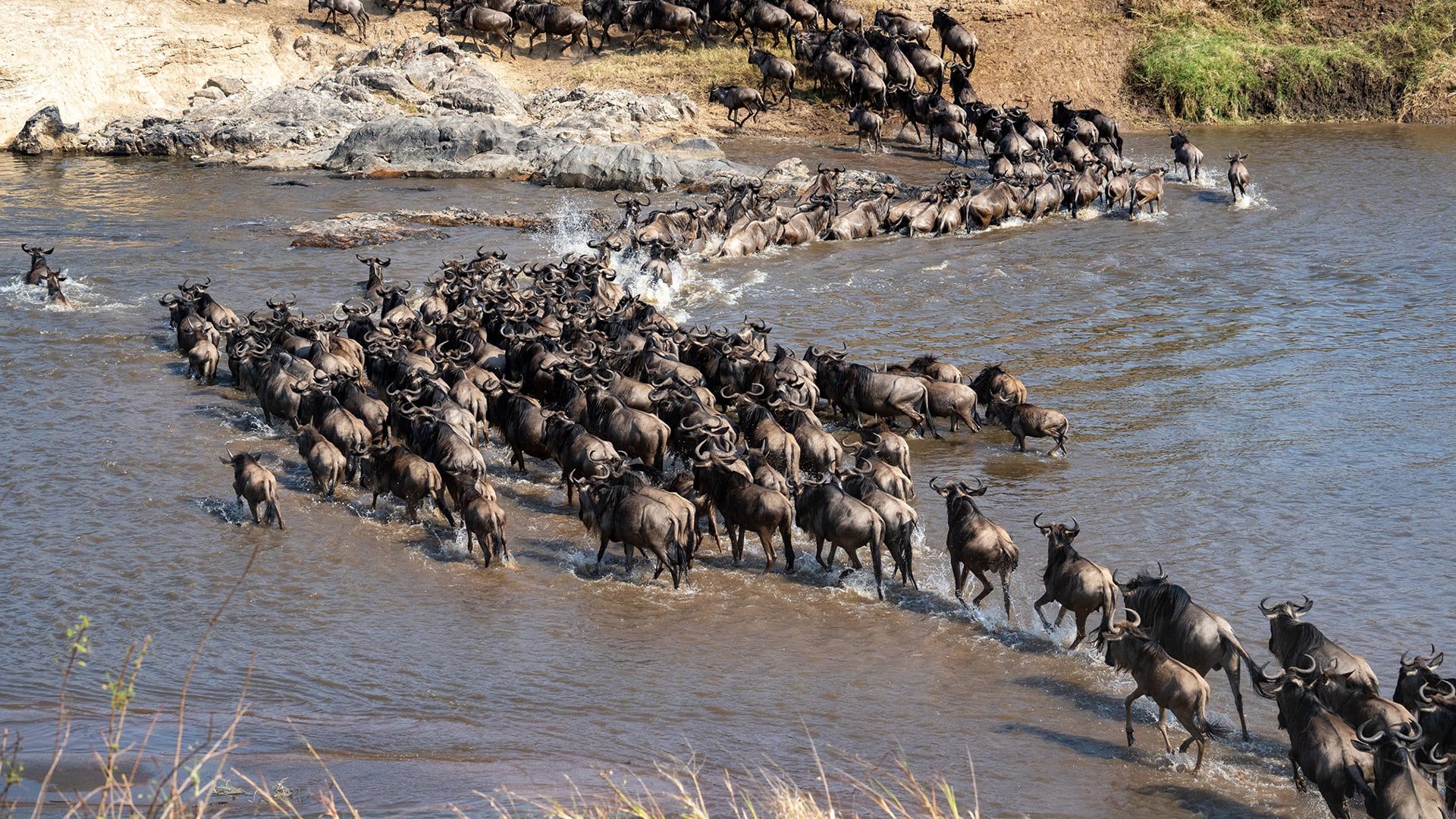
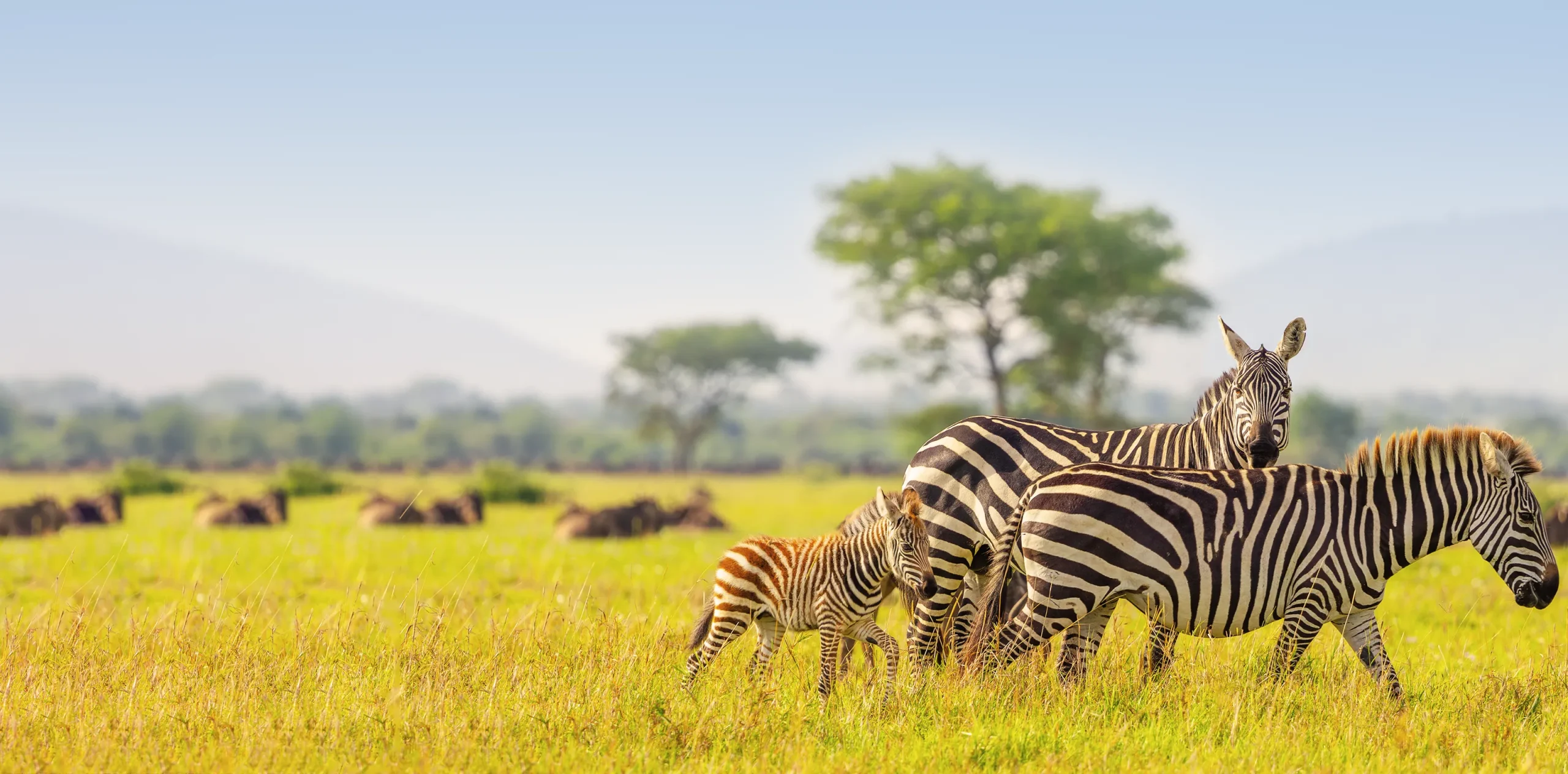
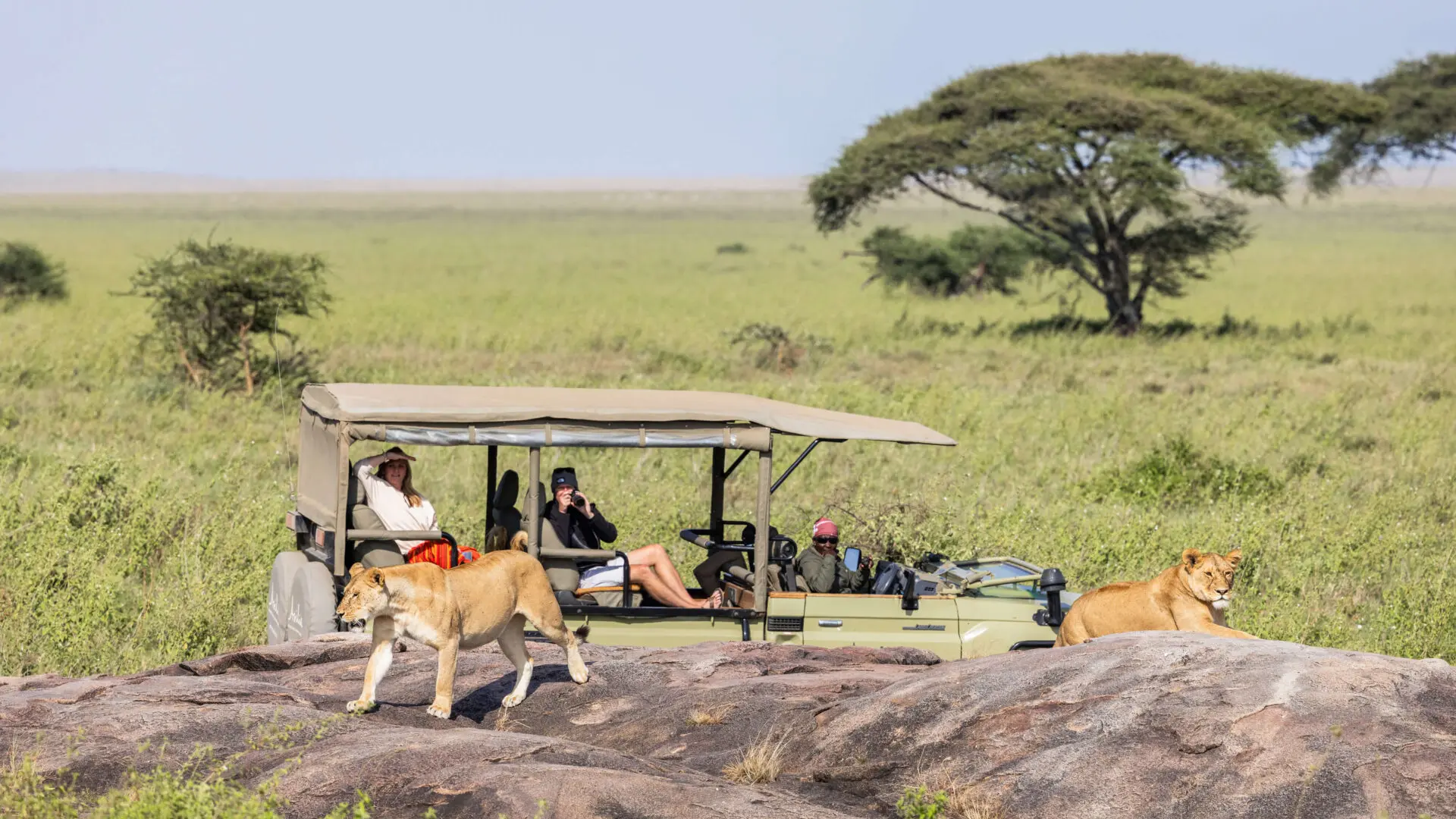
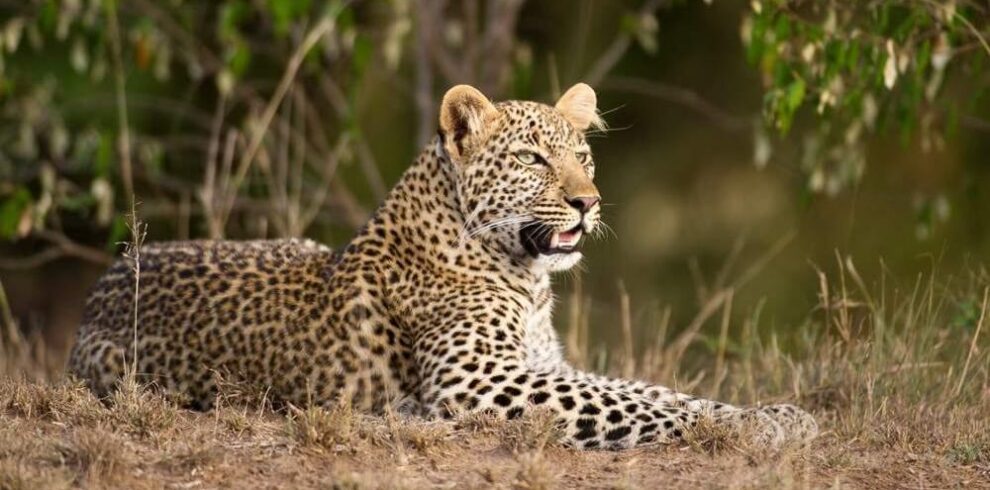
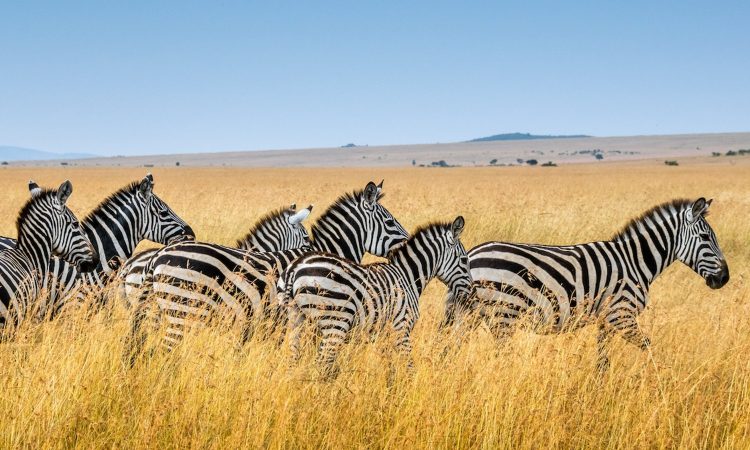
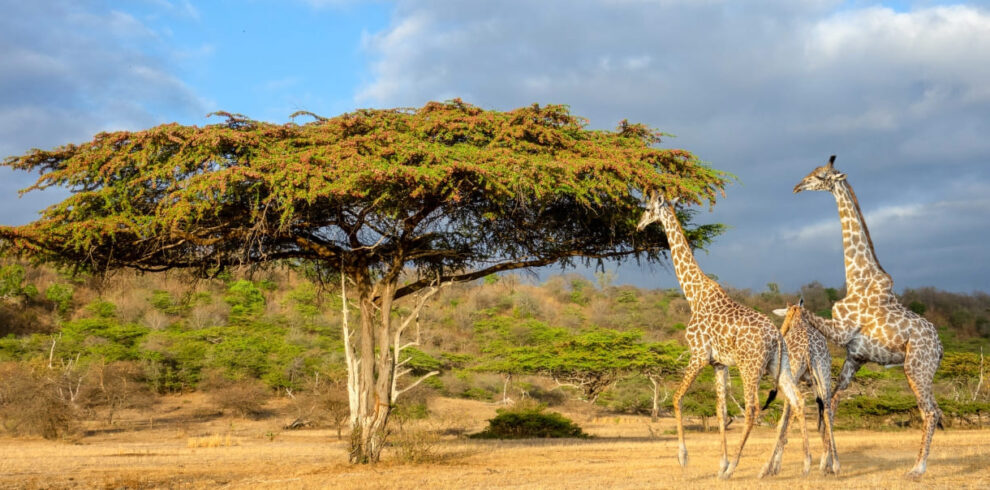
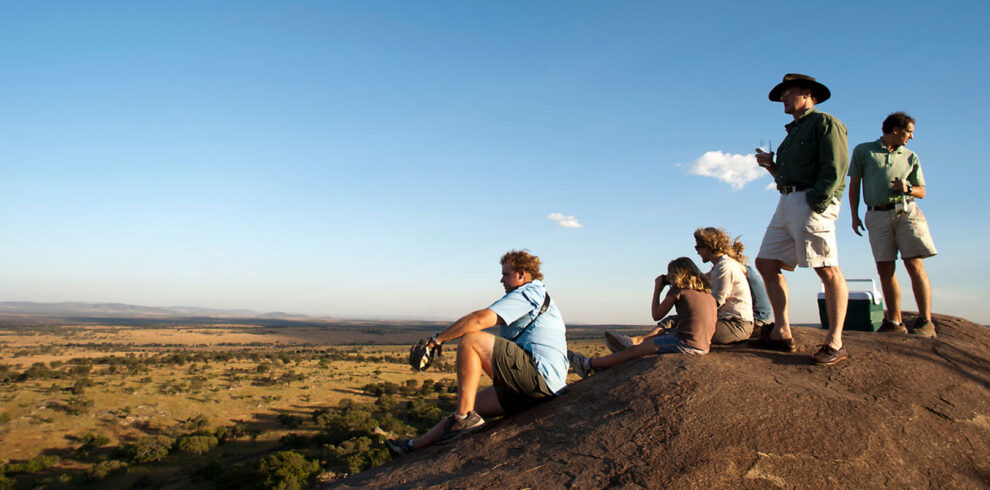
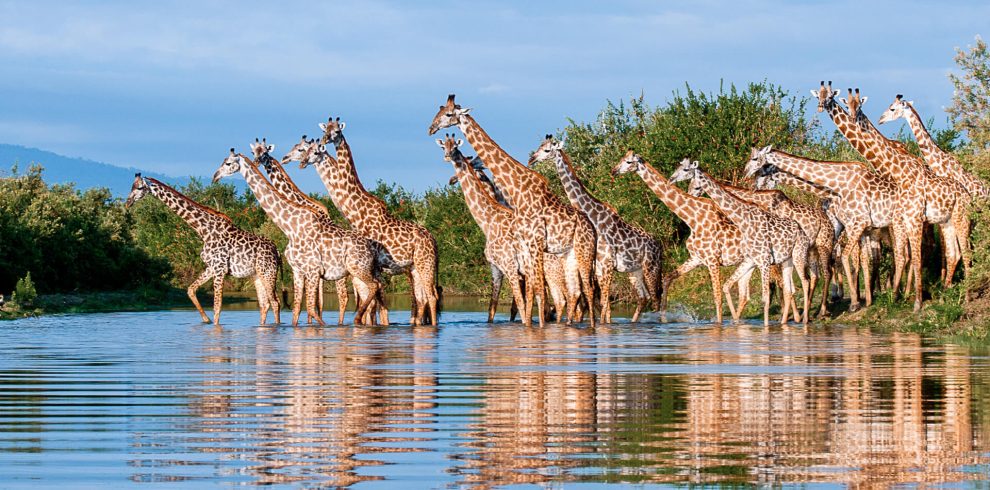
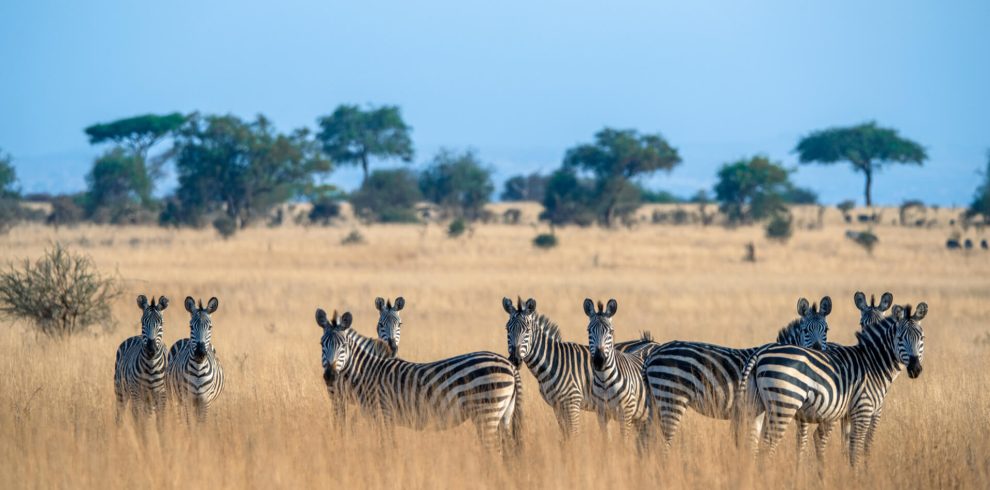
The Serengeti is one of the world’s most famous safari spots, celebrated for its vast, rolling plains and the spectacular Great Wildebeest Migration. Covering nearly 15,000 square kilometers, this incredible park is home to millions of wildebeest, zebras, and gazelles as they move across the landscape in search of fresh grazing. Alongside these migrating herds, you’ll find lions, leopards, elephants, giraffes, and hyenas living in their natural habitats. Visitors often explore the Seronera Valley, a hotspot for spotting big cats, or follow the migration as it travels toward the Grumeti and Mara Rivers. Whether you choose to stay in luxury lodges or mobile camps, the Serengeti offers unforgettable experiences like sunrise hot air balloon rides and thrilling game drives during golden hours. Depending on the season, you might witness the calving in the southern plains from December to March, or catch the dramatic river crossings in July and August in the northern areas.
Ngorongoro Crater
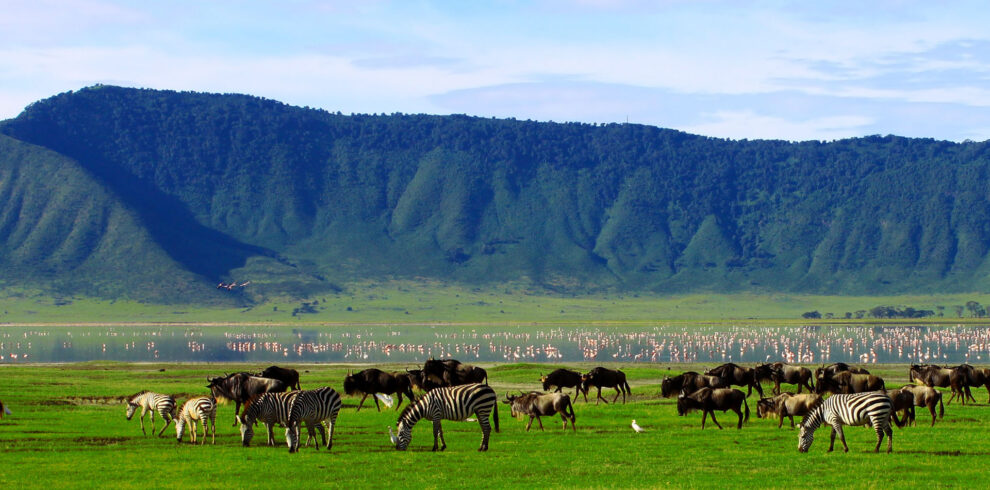
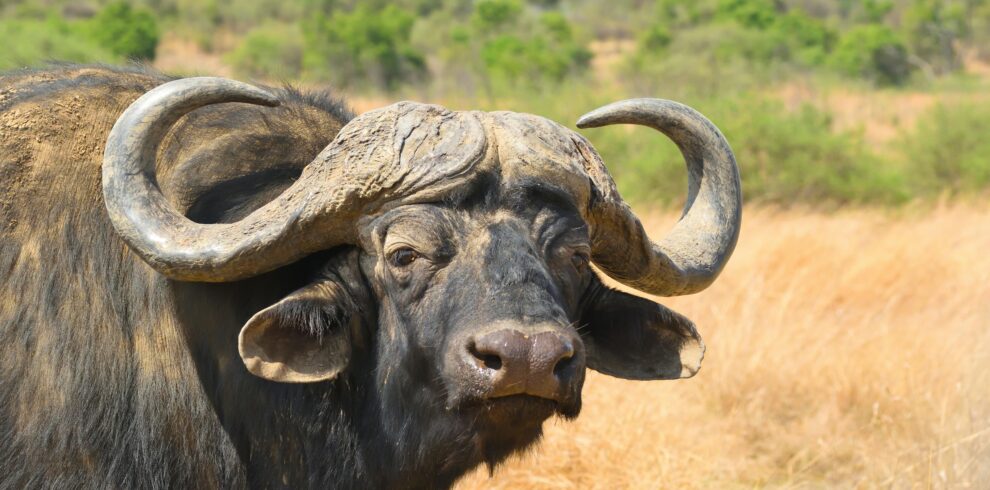
Often called Africa’s Garden of Eden, the Ngorongoro Crater is a natural wonder and one of the richest wildlife spots on the continent. This enormous volcanic caldera, with walls rising 600 meters high, creates a unique, enclosed ecosystem where over 25,000 animals roam freely. Inside, you’ll find a mix of grasslands, swamps, woodlands, and soda lakes that attract elephants, buffaloes, hippos, flamingos, and even the rare black rhino. Predators like lions and hyenas are common here, making wildlife sightings almost guaranteed. The crater rim offers breathtaking views, and many lodges sit perched on the edge to let guests soak in stunning sunrises and sunsets. It’s also home to Maasai communities who live alongside the wildlife in harmony. You can visit anytime, but the best conditions are from June to October when the skies are clear and dry.
Lake Manyara National Park
Nestled between the Rift Valley escarpment and the alkaline Lake Manyara, this small but vibrant park offers a variety of landscapes including lush forests, open plains, and sparkling waters. It’s famously home to tree-climbing lions and large herds of elephants that wander beneath fig and mahogany trees. During the wet season, thousands of flamingos turn the lake’s shores pink, creating a stunning natural spectacle. Beyond these, you’ll encounter hippos, giraffes, buffaloes, wildebeests, and an incredible diversity of birds—over 400 species have been recorded here. Unique activities like canoeing when water levels allow, night game drives, and visits to nearby Mto wa Mbu village add to the experience. It’s a perfect park for beginners, often included early in northern safari circuits. The dry months from July to October bring excellent game viewing, while the wet season offers lush scenery and vibrant birdlife.
Tarangire National Park
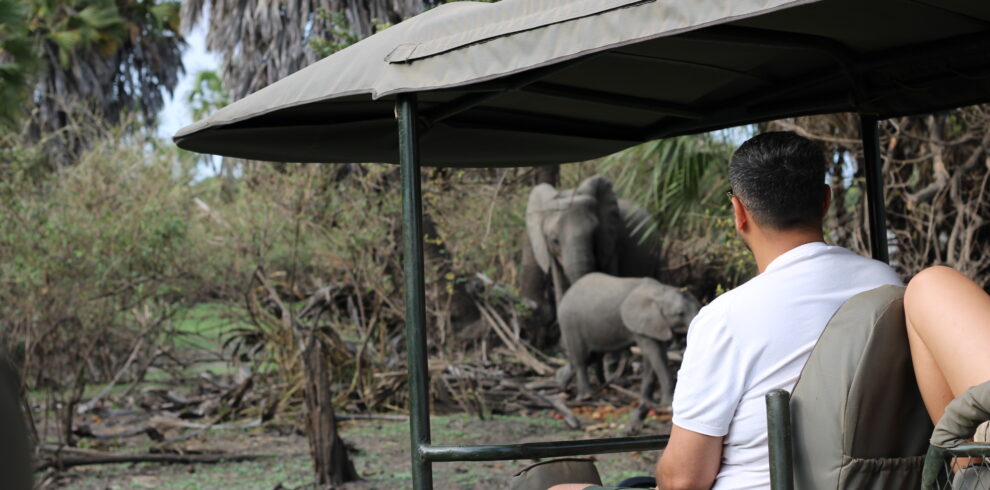
Tarangire stands out for its striking baobab trees and vast herds of elephants, especially impressive during the dry season from June to October. The Tarangire River acts as a lifeline, drawing animals from the surrounding Maasai plains when other water sources vanish. This is where you might see hundreds of elephants gathered together, while lions, leopards, and cheetahs quietly watch from the shadows. Tarangire is also a great place to spot less common species like kudu, oryx, and gerenuk. Birdwatchers will love the park’s more than 500 bird species. Because it sees fewer tourists than the Serengeti or Ngorongoro, Tarangire offers a peaceful and authentic safari atmosphere. You can also enjoy walking safaris and visits to Maasai villages for a cultural touch.
Arusha National Park
Just a short drive from the city of Arusha, this compact but diverse park is often a warm-up or wrap-up stop on safari trips. Despite its size, it offers a rich variety of landscapes like the forested slopes of Mount Meru, the shimmering Momella Lakes, and the Ngurdoto Crater. You’ll find animals such as giraffes, zebras, buffaloes, warthogs, bushbucks, and playful monkeys including the black-and-white colobus. While it’s not home to the Big Five, it shines with opportunities for walking safaris, canoeing, and even climbing Mount Meru for those wanting a more active adventure. Arusha National Park is accessible all year and ideal for travelers with limited time or those easing into the safari experience.
Ruaha National Park
For those seeking wilderness far from the crowds, Ruaha is Tanzania’s largest and most rugged national park. Located in the country’s interior, it features wild landscapes of hills, rocky outcrops, and the life-giving Great Ruaha River. The park hosts large herds of elephants and buffalo, alongside abundant predators like lions, leopards, and the endangered African wild dog. You’ll also find a wide variety of antelope species and over 570 types of birds. Safari drives here feel intimate and exclusive, set against dramatic, untouched backdrops that thrill photographers and nature lovers alike. Due to its remote location, the best way to reach Ruaha is by small plane. The prime time to visit is between June and October, when wildlife gathers around shrinking water sources.
Nyerere National Park
Formerly known as Selous Game Reserve, Nyerere National Park offers a unique safari experience in southern Tanzania. It covers vast areas of savannah, woodland, wetlands, and lakes centered around the Rufiji River system. This diversity supports elephants, buffaloes, giraffes, lions, leopards, and wild dogs, plus more than 440 bird species. Unlike many parks, Nyerere lets you explore on classic game drives, boat safaris through waterways filled with hippos and crocodiles, guided walking safaris, and even fishing trips. Its size and remote setting mean very few visitors, allowing a true sense of solitude and wilderness. The dry season from June to October is the best time to enjoy wildlife and river activities here.
Katavi National Park
Katavi is Tanzania’s best-kept secret, hidden away in the far west and perfect for adventurous travelers looking for solitude and raw nature. During the dry season, its floodplains become dramatic gathering spots where thousands of buffalo, elephants, and zebras crowd around shrinking waterholes. Hippos squeeze into muddy pools while lions take advantage of the prey concentration. Crocodiles retreat into riverbank caves. The park’s remoteness means visitors rarely see other tourists, creating a deeply personal wildlife encounter. Activities include game drives, bush walks, and camping under vast starry skies. The dry months from July to October are the ideal time to visit, when animals are easiest to spot.